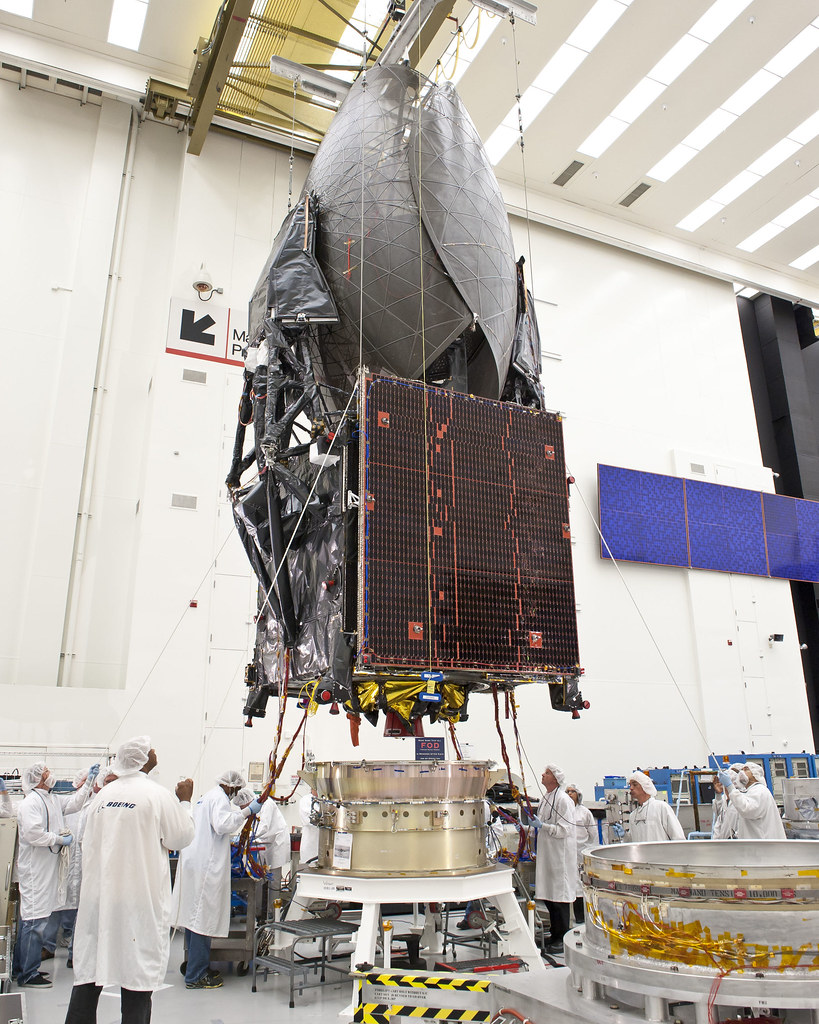
Thermal intelligence constellation is set to grow with the launch of SatVu’s HotSat-3, which aims to enhance thermal data collection and analysis in space.
What is the thermal intelligence constellation?
The thermal intelligence constellation is an advanced network of satellites designed to monitor and analyze temperature variations across the Earth’s surface. This innovative technology enables scientists and researchers to gather critical data on thermal patterns, which can be applied in various fields such as climate change studies, agriculture, and disaster management.
SatVu’s latest launch of HotSat-3 marks a significant expansion of this constellation, enhancing its capabilities and coverage. The addition of more satellites allows for improved data accuracy and frequency of thermal readings, providing users with timely information that is essential for decision-making.
Key features of the thermal intelligence constellation include:
- Real-time monitoring: Continuous data collection enables quick responses to environmental changes.
- High-resolution imaging: Detailed thermal images facilitate precise analysis.
- Broad application range: Useful for various industries, including agriculture and urban planning.
SatVu’s HotSat-3 features
SatVu’s latest addition, the HotSat-3, is set to enhance the capabilities of the thermal intelligence constellation significantly. This advanced satellite is equipped with cutting-edge technology designed to deliver precise thermal imaging and data analytics.
Key features of the HotSat-3 include:
- High-resolution thermal sensors: These sensors provide unparalleled clarity in thermal imaging, enabling detailed observations of various environments.
- Real-time data transmission: HotSat-3 is capable of sending data instantly, ensuring timely decision-making for users across multiple sectors.
- Advanced AI algorithms: The integration of artificial intelligence allows for improved data processing and predictive analytics, enhancing the overall functionality of the thermal intelligence constellation.
- Increased durability: Built to withstand harsh conditions, HotSat-3 promises longevity and reliability in various operational settings.
With these features, HotSat-3 aims to redefine the standards in satellite technology and expand the potential applications of thermal intelligence.
Impact of HotSat-3 on satellite technology
The launch of HotSat-3 marks a significant advancement in satellite technology, particularly in the realm of thermal intelligence constellation. This innovative satellite enhances the capability to monitor thermal properties of the Earth’s surface with unprecedented accuracy.
One of the key impacts of HotSat-3 includes:
- Enhanced Data Collection: The satellite enables real-time data collection on temperature fluctuations, aiding in climate research and environmental monitoring.
- Improved Precision: HotSat-3’s advanced sensors provide more accurate thermal readings, which can be crucial for disaster management and urban planning.
- Broader Applications: The technology can be utilized across various sectors, including agriculture, energy, and meteorology, showcasing the versatility of the thermal intelligence constellation.
As a result, HotSat-3 not only strengthens SatVu’s position in the satellite market but also sets a new standard for thermal monitoring capabilities worldwide.
Future of thermal data collection in space
The future of thermal data collection in space is set to be revolutionized by advancements in thermal intelligence constellation technology. As satellite missions become increasingly sophisticated, the demand for precise thermal data is growing. This increase in demand is largely driven by various industries, including agriculture, environmental monitoring, and urban planning, which rely on accurate thermal readings for decision-making.
With the launch of SatVu’s HotSat-3, the thermal intelligence constellation is expanding its capabilities. The integration of enhanced sensors and improved data processing algorithms will allow for real-time monitoring and analysis of thermal patterns from space.
As these technologies evolve, we can expect:
- Greater accuracy in temperature measurements
- Enhanced data accessibility for researchers and policymakers
- Innovative applications in climate change studies and disaster response
Ultimately, the future of thermal intelligence constellation holds significant promise for improving our understanding of planetary health.
Where this came from
You might also like
Unveilr AI funding: Best Proven Strategies for Startups · SSO for Digital Government Services: Easy and Proven Benefits · AI tool access: Worst proven issues in Indian enterprises