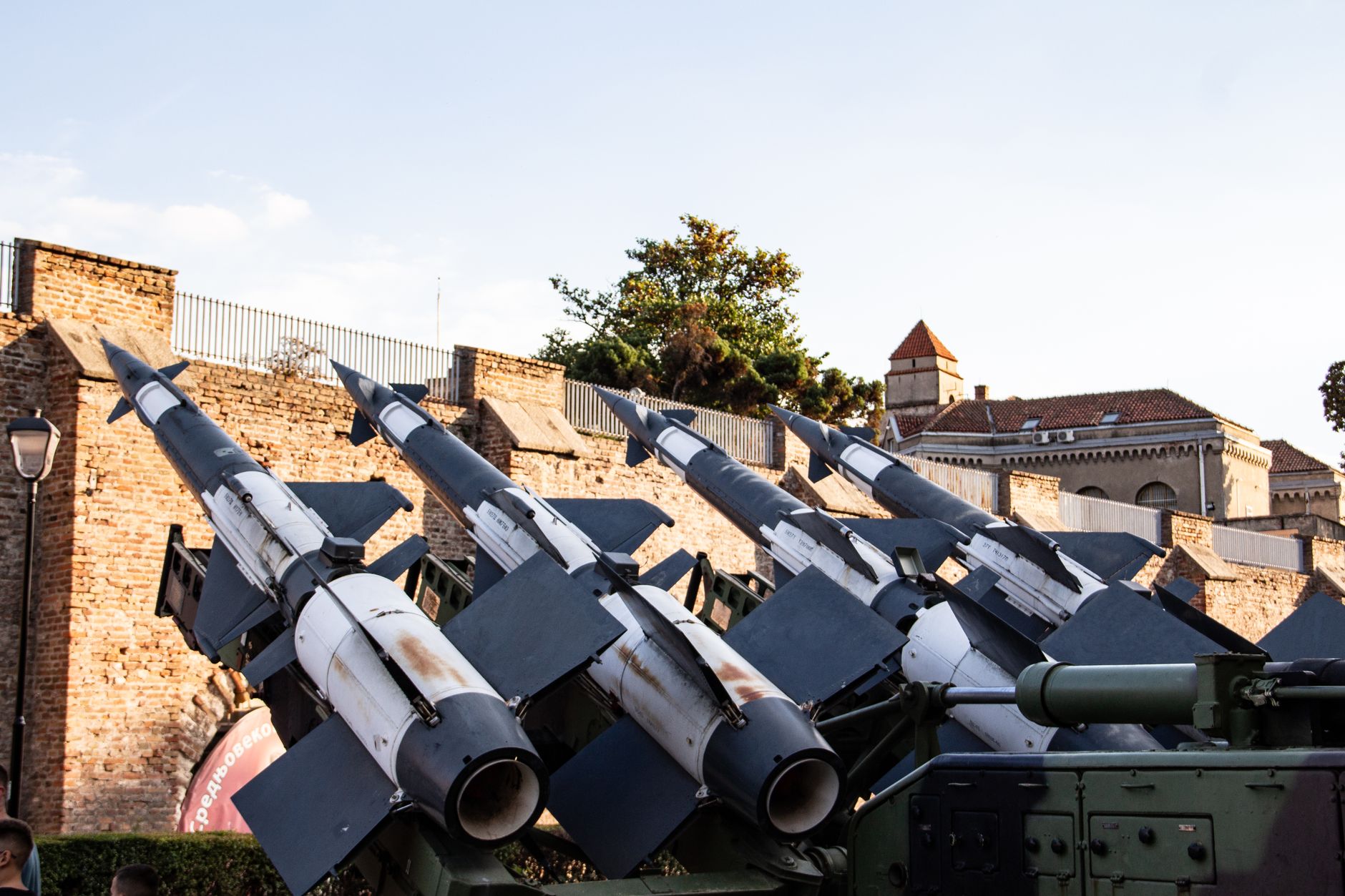
missile defense system testing is underway at the edge of space, marking a significant step for Ukraine’s defense capabilities. This innovative approach aims to enhance national security.
Understanding Missile Defense Systems
Missile defense systems play a crucial role in modern military strategy, offering protection against a variety of aerial threats. These systems are designed to detect, track, and intercept incoming missiles before they can reach their intended targets. Understanding the components and functionality of missile defense systems is essential for assessing their effectiveness.
Typically, missile defense systems consist of several key elements:
- Radar Technology: This component detects and tracks incoming missiles, providing critical data for interception.
- Command and Control Systems: These systems analyze radar data and direct interceptor missiles toward the threat.
- Interceptor Missiles: These are the actual projectiles launched to destroy incoming threats either in the atmosphere or during their descent.
- Launch Platforms: These can be mobile or stationary units that house and deploy the interceptor missiles.
As countries like Ukraine develop and test these systems, understanding their complexity and operational challenges becomes increasingly important in ensuring national security.
The Importance of Space Testing
The importance of space testing in the development of a missile defense system cannot be overstated. As nations continue to enhance their defense capabilities, understanding how systems perform in the unique conditions of space is crucial. Testing at the edge of space provides invaluable data on system reliability, effectiveness, and responsiveness against potential threats.
Recent developments have showcased the necessity of such tests. Countries like Ukraine are pushing the boundaries by conducting missile defense tests that reach the stratosphere, simulating real-world conditions that systems may face during actual engagements. The challenges of space testing include:
- Extreme temperatures and pressures
- High radiation levels
- Communications delays that can affect response times
By addressing these challenges, defense systems can be better prepared to intercept incoming threats, ensuring that nations remain secure. Only through rigorous space testing can countries truly understand the capabilities and limitations of their missile defense systems.
Ukraine’s Strategic Defense Initiatives
In the ongoing conflict, Ukraine has ramped up its strategic defense initiatives, particularly in the realm of missile defense systems. With advancements in technology, the country is exploring innovative ways to enhance its defensive capabilities against aerial threats.
Recent reports indicate that Ukraine is conducting tests of its missile defense system at the edge of space, a challenging yet crucial step in ensuring the reliability of its defense measures. This initiative aims to intercept incoming threats before they can cause significant damage.
Key aspects of Ukraine’s strategic defense initiatives include:
- Investment in Technology: Emphasizing cutting-edge technology to improve interception accuracy.
- International Collaboration: Partnering with allies to gain access to advanced missile defense systems.
- Training and Readiness: Ensuring military personnel are well-trained to operate these sophisticated systems efficiently.
As Ukraine continues to strengthen its missile defense capabilities, the successful execution of these initiatives will be critical in safeguarding its sovereignty and protecting its citizens.
Challenges Ahead for Missile Defense
As countries invest in advanced missile defense systems, they face significant challenges that could impact their effectiveness. The complexity of intercepting a missile with another missile requires not only cutting-edge technology but also strategic planning and execution.
Among the primary obstacles are:
- Technological Limitations: Current systems may struggle with hypersonic missiles that travel at speeds exceeding five times the speed of sound, making interception a daunting task.
- Funding Constraints: Developing and maintaining a missile defense system demands substantial financial resources, which can be a limitation for some nations.
- International Collaboration: Effective missile defense often relies on partnerships and data sharing among allies, yet political differences can hinder such cooperation.
- Public Perception: The effectiveness and necessity of missile defense systems can be debated, leading to potential pushback from citizens concerned about military spending.
Addressing these challenges is crucial for nations aiming to fortify their defense capabilities in an increasingly volatile global landscape.
Technological Innovations in Defense
Recent advancements in technology have significantly enhanced the capabilities of missile defense systems. These innovations are crucial for addressing the evolving threats faced by nations around the globe.
One of the key areas of development is in sensor technology. Improved sensors enable better tracking and identification of missile threats, allowing for quicker response times. Additionally, artificial intelligence is being integrated into defense systems, which helps in analyzing data and making real-time decisions.
Moreover, interceptor technology has seen remarkable improvements. Newer interceptors are designed to engage incoming missiles at various altitudes and speeds, increasing the chances of successful interceptions.
Finally, collaboration between nations is also enhancing missile defense capabilities. Countries are sharing research and development efforts, leading to a more robust and effective global defense posture.
As the threats continue to evolve, embracing these technological innovations in missile defense systems is essential for maintaining national security and ensuring the safety of citizens.
Global Implications of Space Defense
The development and deployment of missile defense systems have significant global implications, particularly as nations increasingly turn to space for defense strategies. As countries like Ukraine test their missile defense capabilities at the edge of space, it raises important questions about the balance of power and the potential for an arms race in this new arena.
Several factors contribute to the global ramifications of these advancements:
- International Security: Enhanced missile defense systems can deter aggression from hostile nations, but they may also provoke countermeasures, leading to heightened tensions.
- Space Militarization: The push for space-based missile defense systems could lead to a new form of militarization in orbit, affecting international treaties and cooperation.
- Technological Proliferation: As states invest in missile defense technology, there is a risk that such innovations could spread to rogue states or non-state actors, complicating global security efforts.
Thus, while the advancement of missile defense systems offers protection, it also necessitates careful consideration of the broader implications on international relations and security.
Future of Missile Defense in Ukraine
The future of missile defense in Ukraine is poised to evolve significantly as the nation continues to confront ongoing threats. With the recent advancements in missile defense systems, Ukraine is strategically positioning itself to enhance its defensive capabilities.
As Ukraine tests these systems at the edge of space, several key factors will determine their success:
- Integration with NATO: Collaborating with NATO allies can provide Ukraine with essential support and technology to improve its missile defense capabilities.
- Investment in Research: Continued investment in defense research and development is crucial for creating innovative technologies that can counter emerging threats.
- Public Support: Gaining public backing for these initiatives will ensure sustained funding and focus on missile defense systems.
- International Partnerships: Building partnerships with other nations can facilitate knowledge sharing and bolster Ukraine’s defense strategies.
As these elements come together, Ukraine’s missile defense system could become a cornerstone of its national security, safeguarding its sovereignty against potential aggressors.
To ensure the effectiveness of a missile defense system, ongoing investment in research and technology is essential. Additionally, international collaboration can enhance the capabilities of the missile defense system, making it more robust against emerging threats.
Photo by Boris Hamer on Pexels
