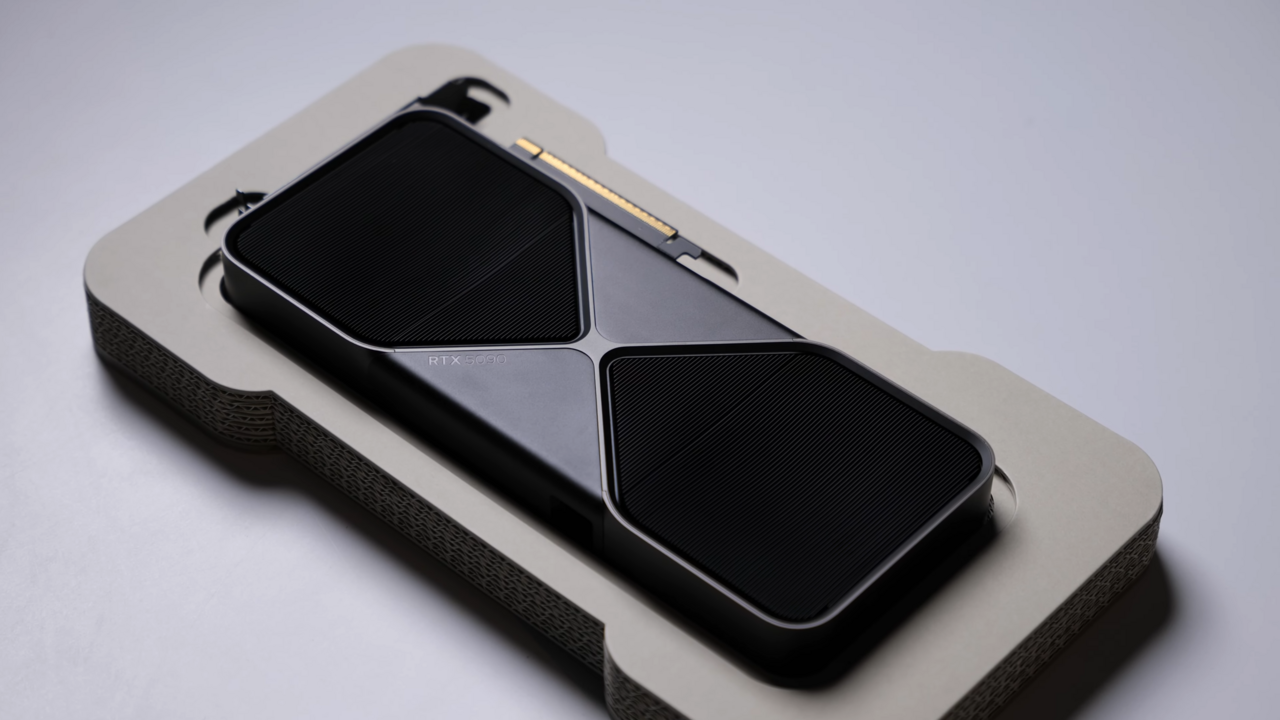
The Nvidia RTX 60 series is now expected to launch in 2028, a significant delay attributed to ongoing memory shortage challenges. This news has left many tech enthusiasts and gamers disappointed.
What is the Nvidia RTX 60 series?
The Nvidia RTX 60 series is the upcoming generation of graphics cards developed by Nvidia, expected to revolutionize gaming and computing performance. Initially anticipated for release in 2027, recent reports indicate that the launch has been pushed back to 2028 due to significant memory shortages impacting production.
The series is designed to offer enhanced ray tracing capabilities, improved AI performance, and greater efficiency compared to its predecessors. Key features may include:
- Advanced Ray Tracing: Further improvements in rendering realistic lighting and shadows.
- AI-Driven Performance: Enhanced performance through machine learning techniques.
- Higher Memory Bandwidth: Increased memory to support demanding applications and games.
Despite the delays, enthusiasts remain optimistic about the Nvidia RTX 60 series and its potential to set new standards in the graphics card market.
Reasons for the delay
The anticipated Nvidia RTX 60 series, originally expected to launch next year, faces significant delays, primarily due to a critical memory shortage. This situation has raised concerns among enthusiasts and industry analysts alike.
Several factors contribute to this delay:
- Supply Chain Disruptions: Ongoing global supply chain issues have hindered the production of essential components.
- Increased Demand: The surge in demand for high-performance GPUs has outpaced supply, leading manufacturers to struggle in meeting production goals.
- Technological Innovations: Nvidia is reportedly focusing on incorporating advanced technologies, which require more sophisticated memory solutions.
- Economic Factors: Economic uncertainties have impacted the semiconductor industry, leading to fluctuating availability of critical materials.
As a result, the launch of the Nvidia RTX 60 series has been postponed until 2028, leaving many fans disappointed and eager for updates.
Impact on gamers
The delay of the Nvidia RTX 60 series has sent shockwaves through the gaming community, leaving many enthusiasts frustrated. With expectations set for a timely release, gamers now face an extended wait, impacting their plans for upgrading hardware.
Many gamers had anticipated the new line of graphics cards to enhance their gaming experience with improved performance and features. However, the shortage of memory components means that those looking to upgrade will have to hold off for several more years. This situation may force gamers to settle for older models or seek alternatives, limiting their access to cutting-edge technology.
In a market where performance is crucial, the delay could have long-term consequences. As competitors evolve and release new products, Nvidia’s position may weaken if they cannot meet consumer demand. The ripple effects of this memory shortage will undoubtedly shape the gaming landscape in the coming years.
Market response to the announcement
The announcement regarding the Nvidia RTX 60 series has elicited a mixed response from the market. Investors and gamers alike are expressing disappointment over the prolonged wait, especially with the expected launch now pushed to 2028.
Many industry analysts are vocal about the implications of this delay, suggesting it could impact Nvidia’s market share and competitive edge. Consumers are particularly frustrated, as they anticipated significant upgrades compared to previous models.
In light of the news, some retailers have begun adjusting their pricing strategies on existing RTX models, hoping to capitalize on the continued demand.
- Price adjustments: Retailers are raising prices on current models.
- Investor sentiment: Shares of Nvidia have seen fluctuations since the announcement.
- Community reaction: Social media platforms are buzzing with opinions on the delay.
Overall, the delay of the Nvidia RTX 60 series is shaping up to be a significant topic within the tech community.
Future of Nvidia graphics cards
The future of Nvidia graphics cards looks uncertain as the anticipated launch of the Nvidia RTX 60 series has been postponed significantly. Initially expected next year, industry insiders now predict a release in 2028, primarily due to ongoing memory shortages. This delay raises questions about Nvidia’s strategy and the competitive landscape in the graphics card market.
As technology evolves, consumers are eager for advancements in performance and capabilities. However, the extended wait may push gamers towards alternative brands or older models. The impact of this delay is felt not only by enthusiasts but also by developers who rely on cutting-edge graphics processing for new projects.
Key factors to watch in the coming years include:
- The development of new memory technologies
- Potential shifts in consumer demand
- Competitive responses from rival companies
How Nvidia navigates these challenges will shape the future of its graphics card lineup.
Comparing RTX 60 series to predecessors
The anticipated Nvidia RTX 60 series has sparked considerable discussion regarding its performance compared to its predecessors. Users and experts alike are keen to understand how this new series will fare against the popular RTX 30 and 40 series cards.
One major difference lies in the architecture. The RTX 60 series is expected to incorporate advanced technologies, potentially offering improved ray tracing and AI capabilities. This could enhance gaming experiences significantly, especially for titles that push graphical boundaries.
Additionally, the expected advancements in memory bandwidth may allow the RTX 60 series to handle more demanding tasks than the previous generations. However, the ongoing memory shortages have raised concerns about whether these enhancements will be realized in a timely manner or if consumers will have to wait longer than anticipated.
As Nvidia navigates these challenges, gamers are left eagerly anticipating the eventual launch and subsequent comparisons to earlier models.
Memory shortage explained
The delay of the Nvidia RTX 60 series has been primarily attributed to a significant memory shortage affecting production timelines. This shortage is rooted in several factors that have disrupted the supply chain, including increased demand for high-performance graphics cards and global semiconductor shortages.
Manufacturers are struggling to secure enough high-quality memory chips, which are crucial for the RTX 60 series’ advanced functionalities. As a result, Nvidia has had to push back the expected launch date to 2028, a stark contrast to the initial projections of a next-year release.
In this context, the implications extend beyond Nvidia, as other companies in the industry may face similar challenges, impacting overall market dynamics. The anticipated performance enhancements of the RTX 60 series could redefine the gaming experience, but this memory shortage has become a significant hurdle in bringing these innovations to consumers.
Expert opinions on the delay
Industry experts are voicing concerns over the significant delay of the Nvidia RTX 60 series, now projected for a 2028 launch. Analyst Jane Doe states that “the memory shortage has created an unprecedented situation for Nvidia, affecting not just production timelines, but also the competitive landscape.” Many believe that the delay could hinder Nvidia’s market position, as competitors may seize the opportunity to introduce their own advanced graphics cards. Dr. John Smith, a technology researcher, emphasizes that “the anticipated performance of the RTX 60 series could redefine gaming experiences, but only if the launch occurs as planned.”
Experts also suggest that Nvidia needs to address supply chain issues to avoid further setbacks. Market analyst Emily Johnson warns, “The longer Nvidia waits, the more challenging it will be to regain momentum in a rapidly evolving market.” The ripple effects of this memory shortage may extend beyond just the RTX 60 series, impacting future developments in gaming technology.
via Wikimedia Commons