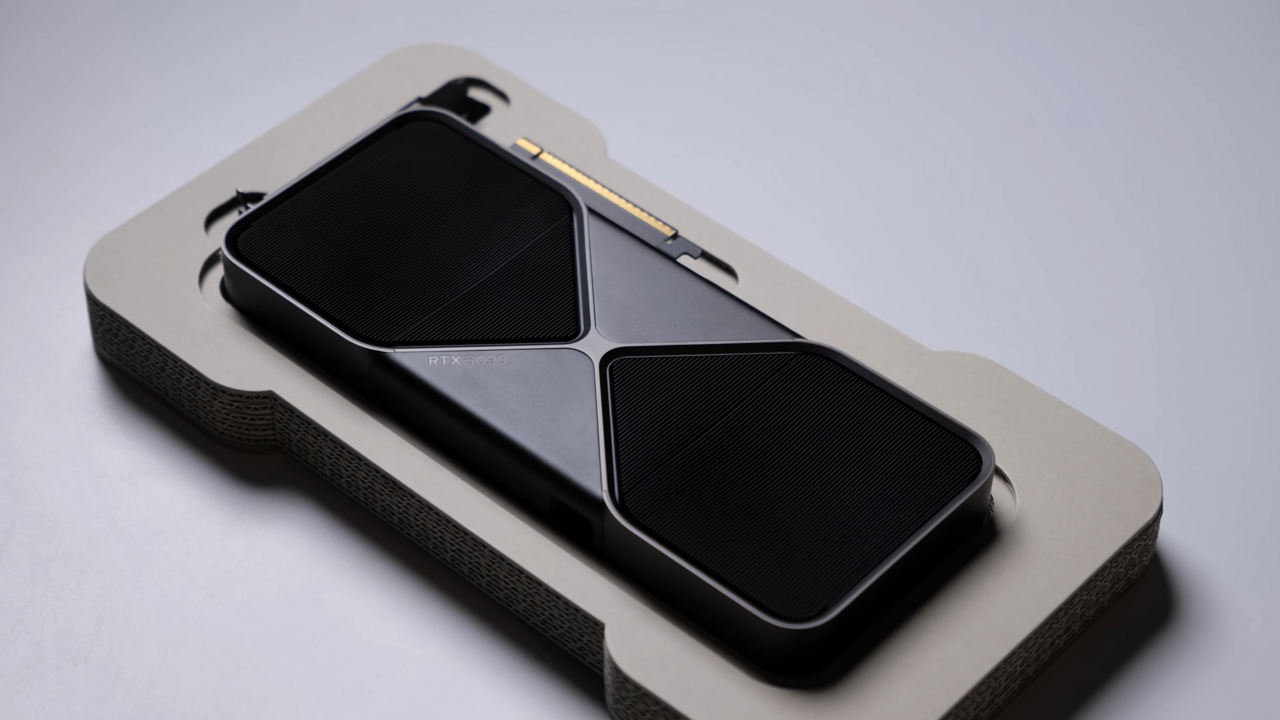
GeForce RTX 5080 launch is anticipated to be delayed, raising concerns among gamers and tech enthusiasts. This potential setback could have significant implications for Nvidia’s market strategy.
What We Know About the GeForce RTX 5080 Launch
The anticipated GeForce RTX 5080 launch has been met with growing concerns as reports suggest Nvidia may miss its projected release date in January 2027. This delay raises questions about the impact on consumers and the broader gaming industry.
Recent discussions within the tech community highlight several key points regarding the situation:
- Supply Chain Issues: Ongoing challenges in the semiconductor industry continue to plague manufacturers, affecting the timely production of new graphics cards.
- Demand Fluctuations: After the initial excitement surrounding next-gen gaming hardware, the demand has shown signs of stabilizing, which could influence Nvidia’s sales strategy.
- Competitive Landscape: Rivals are preparing their own launches, and a delay could allow competitors to gain market share.
- Technological Advancements: With rapid developments in GPU technology, Nvidia may be using this time to enhance the features and performance of the RTX 5080.
The implications of the GeForce RTX 5080 launch delay are profound, and stakeholders are keenly observing how Nvidia will navigate these challenges in the coming months.
Potential Reasons for the Delay
The anticipated GeForce RTX 5080 launch has been met with unexpected delays, raising questions about the underlying causes. Analysts suggest several potential reasons that may have contributed to this setback.
- Supply Chain Disruptions: Ongoing challenges in the global supply chain have hindered Nvidia’s ability to secure the necessary components for the new graphics card.
- Technological Advancements: Nvidia might be striving to incorporate cutting-edge technology into the RTX 5080, which could necessitate additional development time to ensure optimal performance.
- Market Conditions: Fluctuating demand for high-end graphics cards may have led Nvidia to reconsider its launch strategy, prioritizing a more favorable market environment.
- Competitive Landscape: The company is likely assessing competitor releases to align the RTX 5080’s debut strategically, maximizing its impact upon arrival.
- Quality Assurance: Nvidia is renowned for its commitment to quality, and the delay may reflect efforts to deliver a product that meets the high expectations of consumers.
As Nvidia navigates these challenges, enthusiasts remain hopeful for a successful and timely release of the GeForce RTX 5080.
Impact on Gamers and Enthusiasts
The delay of the GeForce RTX 5080 launch has left many gamers and enthusiasts feeling frustrated and anxious about the future of high-performance gaming. As the anticipated release date continues to shift, the impact on the community is becoming increasingly apparent.
Many players who were looking forward to upgrading their systems are now facing uncertainty. The following points highlight the key concerns:
- Performance Expectations: Gamers had high hopes for the RTX 5080’s cutting-edge technology, which was expected to enhance gaming experiences and support new titles seamlessly.
- Financial Implications: With each delay, potential buyers are left wondering whether to invest in current models or wait for the new release, complicating budget planning.
- Competitive Edge: Enthusiasts who rely on the latest hardware to stay competitive in online gaming may find themselves at a disadvantage as they wait for the RTX 5080.
The ongoing uncertainty around the GeForce RTX 5080 launch is a significant setback, and many are left questioning how long they will have to wait to access the latest innovations in graphics technology.
Comparing RTX 5080 with Previous Models
The anticipation surrounding the GeForce RTX 5080 launch has led many to compare it with its predecessors, particularly the RTX 4080 and RTX 3080 models. With each new generation, Nvidia aims to enhance performance and efficiency, but how does the RTX 5080 stack up against previous iterations?
Key differences include:
- Architecture: The RTX 5080 is expected to utilize a more advanced architecture, promising improved ray tracing capabilities and AI performance.
- Memory: With a rumored 24GB of VRAM, the RTX 5080 aims to outperform the 16GB found in the RTX 4080, catering to gamers with high-resolution needs.
- Power Efficiency: Though details remain scarce, early reports suggest the RTX 5080 will offer better power efficiency, crucial for longer gaming sessions without overheating.
Despite the delays, comparisons with prior models highlight the significant advancements Nvidia is targeting. As the industry waits for the GeForce RTX 5080 launch, the stakes continue to rise for both the company and its users.
Market Reactions to the Delay
The anticipated launch of the GeForce RTX 5080 has stirred significant reactions across the gaming community and tech enthusiasts alike. Many are expressing disappointment over the potential delay, which could stretch well beyond the initially expected January 2027 release date.
Market analysts have noted that this postponement may have broader implications for Nvidia’s position in the competitive GPU landscape. Several factors are influencing these reactions:
- Consumer Sentiment: Gamers who were eagerly awaiting the new features and enhancements of the RTX 5080 are now vocal about their frustrations on social media platforms.
- Stock Market Impact: Nvidia’s shares have experienced fluctuations, reflecting investor concerns about the company’s ability to meet market demand in a timely manner.
- Competitor Advantage: Rival companies may seize the opportunity to capture market share while Nvidia navigates this delay.
Overall, the GeForce RTX 5080 launch has become a topic of extensive discussion, as enthusiasts weigh their options and consider alternatives in the interim.
Future of Nvidia’s Graphics Cards
The future of Nvidia’s graphics cards remains uncertain following the news of the GeForce RTX 5080 launch delay. With the anticipated release date slipping beyond January 2027, many industry experts are speculating on the long-term implications for both Nvidia and its competitors.
As the company grapples with production challenges, several key factors could shape their strategy moving forward:
- Innovation vs. Competition: Nvidia must balance the need for technological advancements with the pressure from rivals like AMD and Intel, who are also pushing their graphics cards to new heights.
- Consumer Trust: Continued delays could erode loyalty among gamers and enthusiasts, leading them to consider alternative brands or models.
- Market Trends: The evolving gaming landscape, including the rise of cloud gaming and AI integration, may force Nvidia to adapt its offerings to meet changing consumer demands.
The GeForce RTX 5080 launch is pivotal not just for Nvidia but for the entire graphics card market. How the company navigates this setback could define its future in an increasingly competitive environment.
via Wikimedia Commons
Read the original
You might also like
NHAI funding approval rules: What are the best practices? · HD Hyundai Robotics: The Best Proven AI Partnership · iPhone 17 price cut: Is it the best deal for you?