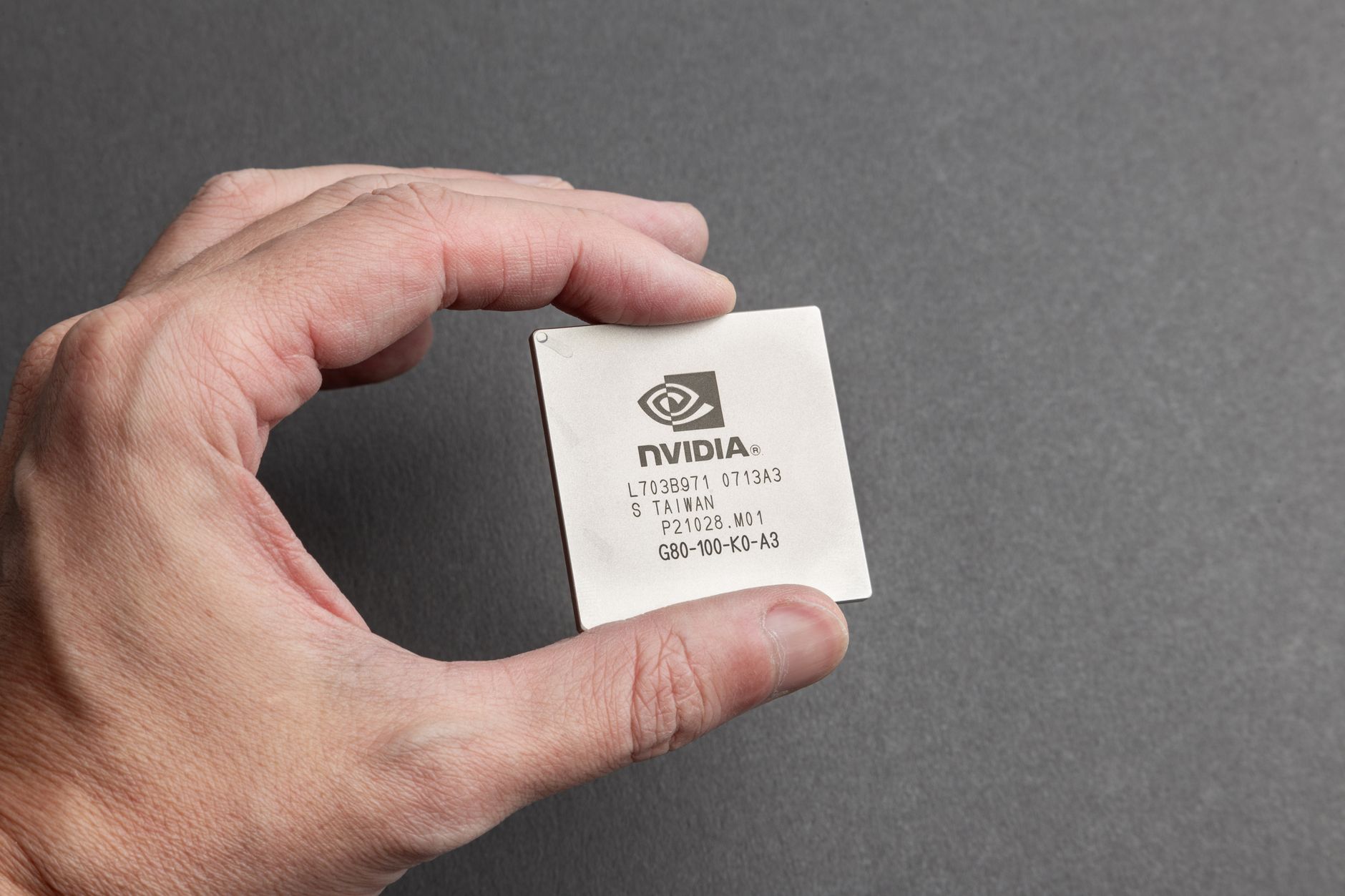
Nvidia chips tracking has become a hot topic following Rep Bill Foster’s comments. The ability to track these chips by location could significantly impact anti-smuggling efforts.
Understanding Nvidia Chips and Their Tracking Capabilities
Nvidia chips have gained significant attention for their advanced tracking capabilities, particularly in the context of smuggling concerns. These chips are not just powerful processors; they are equipped with features that enable precise location tracking, making them potentially useful in various applications, including security and logistics.
According to Rep Bill Foster, these chips can be tracked by their location, which raises important questions about their role in combating smuggling activities. This functionality allows authorities to monitor the movement of goods and detect irregularities that may indicate illicit transportation.
The tracking capabilities of Nvidia chips are seen as a double-edged sword. On one hand, they offer a powerful tool for law enforcement and regulatory bodies. On the other hand, there is a growing concern among privacy advocates about the implications of such technology being used for surveillance purposes.
As the debate continues, it remains to be seen whether Nvidia chips tracking will emerge as the best solution for addressing smuggling issues or if it will lead to further discussions around privacy and data security.
Rep Bill Foster’s Perspective on Chip Tracking
Rep Bill Foster has voiced his perspective on the potential of Nvidia chips tracking as a solution to smuggling issues. He emphasized that these chips can be monitored by their location, which could provide critical insights into the movement of goods that are often involved in illicit activities. According to Foster, the ability to track these chips in real-time equips authorities with the tools necessary to combat smuggling effectively.
In his statement, Foster highlighted several key points:
- Enhanced Surveillance: The tracking capabilities of Nvidia chips could significantly improve the surveillance of high-value items.
- Deterrent Effect: Knowing that products are trackable may deter potential smugglers from attempting illegal cross-border activities.
- Collaboration with Law Enforcement: Foster advocates for stronger partnerships between tech companies and law enforcement agencies to leverage this technology effectively.
- Privacy Concerns: While acknowledging the benefits, he also noted the need to address privacy concerns surrounding the tracking of such technology.
Rep Foster’s insights suggest that Nvidia chips tracking could play a pivotal role in enhancing security measures against smuggling, though careful consideration of ethical implications is vital.
The Impact of Location Tracking on Smuggling
The implementation of Nvidia chips tracking technology has sparked intense debate regarding its potential impact on smuggling operations. Proponents argue that the ability to monitor the location of these chips could serve as a powerful deterrent against illegal activities.
One notable advantage of location tracking is the enhanced capability to trace the movement of goods. This could lead to more efficient law enforcement responses. For instance, if authorities can pinpoint where a product equipped with Nvidia chips is at any moment, they can act swiftly to intercept illegal shipments.
However, critics raise concerns about the implications of such surveillance. They argue that it could infringe on privacy rights and may lead to unintentional consequences, such as the targeting of innocent individuals. Moreover, smugglers could adapt by using countermeasures to evade detection, undermining the effectiveness of the technology.
Ultimately, the effectiveness of Nvidia chips tracking as a solution to smuggling remains to be seen. As the technology evolves, it will be essential to balance the benefits of improved security with the need to respect individual rights.
Potential Benefits of Nvidia Chips in Anti-Smuggling
The integration of Nvidia chips tracking in anti-smuggling operations presents a range of potential benefits that can enhance law enforcement efforts. By utilizing advanced location tracking capabilities, these chips can significantly improve the efficiency and effectiveness of monitoring and intercepting illegal activities.
Some notable advantages include:
- Real-time Monitoring: Nvidia chips provide precise, real-time data on the location of goods, enabling authorities to respond swiftly to suspicious movements.
- Enhanced Data Analysis: The advanced algorithms associated with these chips allow for better data interpretation, helping law enforcement to identify patterns and predict potential smuggling routes.
- Increased Accountability: With location tracking, the supply chain becomes more transparent, making it harder for smugglers to operate undetected.
- Collaboration with Tech Companies: Partnerships with tech firms can lead to innovative solutions that further bolster tracking capabilities and smuggling prevention strategies.
As authorities explore these benefits, the discussion around using Nvidia chips tracking as a viable solution for smuggling continues to gain traction, attracting interest from various stakeholders in the anti-smuggling arena.
Challenges in Implementing Tracking Technology
The implementation of Nvidia chips tracking technology presents several challenges that could hinder its effectiveness in combating smuggling. While the technology shows promise, there are significant hurdles that need to be addressed.
- Cost of Integration: Many businesses, especially smaller ones, may find the costs associated with integrating Nvidia chips into their supply chains prohibitive. This financial barrier can limit widespread adoption.
- Data Privacy Concerns: The tracking capabilities of these chips raise questions about data privacy. Stakeholders must navigate complex regulations and public concerns regarding the potential misuse of location data.
- Technological Challenges: Ensuring that the tracking technology is reliable and resistant to tampering is crucial. Any vulnerabilities could be exploited by smugglers, undermining the entire system.
- Industry Resistance: Some industries may be resistant to adopting Nvidia chips tracking due to fear of increased oversight and potential operational disruptions.
Addressing these challenges will be essential if Nvidia chips are to be considered a viable solution for smuggling issues.
Future of AI in Business and Security
The future of artificial intelligence (AI) in business and security is rapidly evolving, particularly with the integration of Nvidia chips tracking. These advanced chips are not only enhancing computational power but also enabling sophisticated tracking solutions that can potentially deter smuggling activities.
As businesses increasingly adopt AI technologies, the implementation of Nvidia chips can provide a dual benefit: optimizing operations while enhancing security measures. The ability to track location through these chips allows companies to monitor their assets more effectively, ensuring that products are not diverted into illegal channels.
Moreover, the integration of AI with Nvidia chips opens new avenues for predictive analytics. Businesses can analyze patterns and behaviors, making it easier to identify suspicious activities before they escalate into significant issues. This proactive approach could revolutionize how organizations manage risk and compliance.
However, the use of Nvidia chips tracking is not without its challenges. Issues such as data privacy, the cost of implementation, and the need for robust cybersecurity measures must be addressed to maximize their potential. As these technologies continue to develop, their role in enhancing security and business efficiency will likely become more pronounced.
Photo by Stas Knop on Pexels
