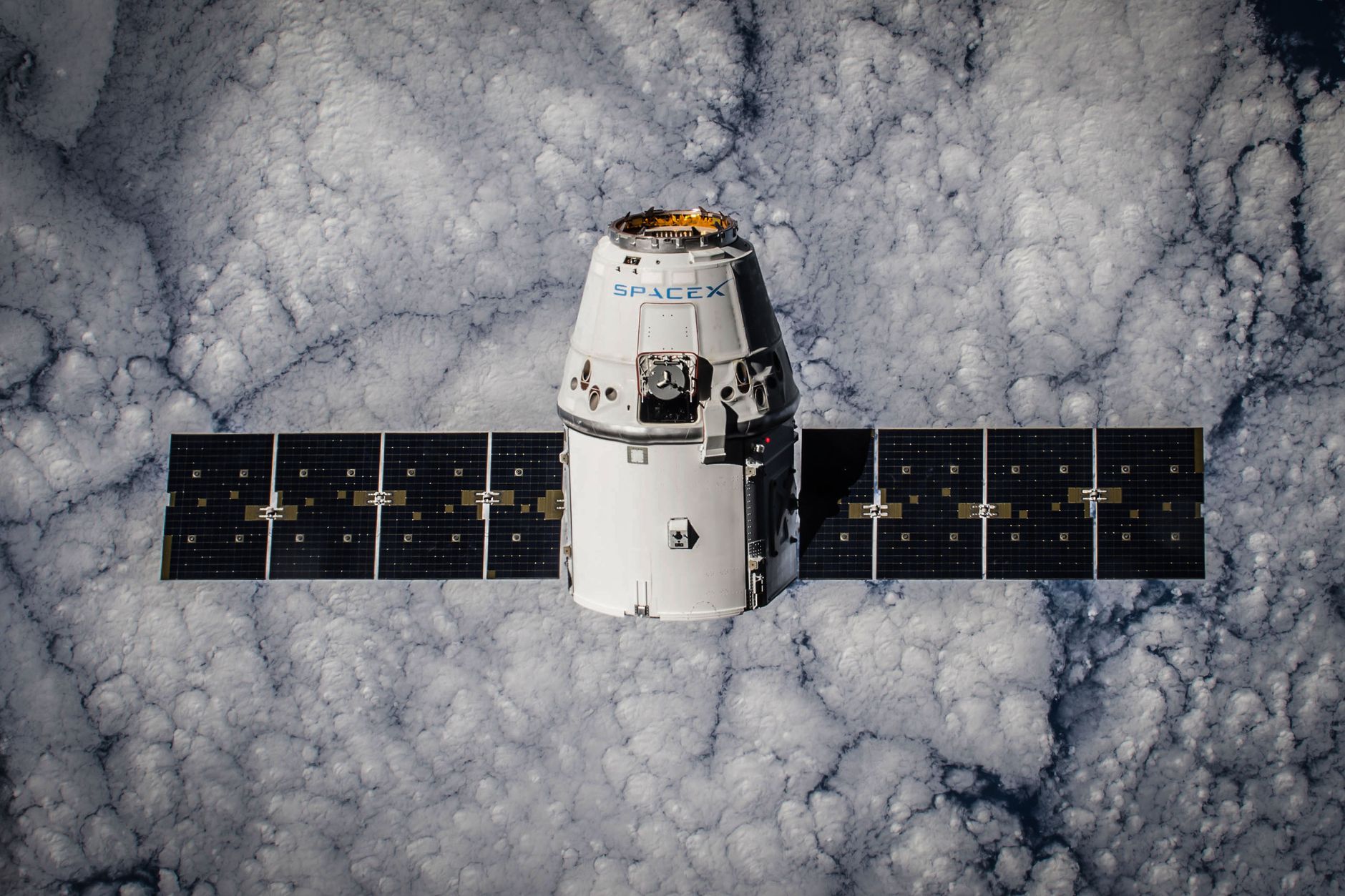
Amazon satellites launch is happening today on the Vulcan rocket, and it’s a significant event in the space industry. Here’s everything you need to know about it.
What are Amazon’s satellites?
Amazon’s satellites are part of the company’s ambitious plan to expand internet access globally through its Project Kuiper initiative. This project aims to deploy a constellation of low Earth orbit satellites that will provide high-speed broadband services to underserved and unserved communities around the world.
The upcoming launch of Amazon satellites on the Vulcan rocket marks a significant milestone in this endeavor. Here are some key details about the satellites:
- Purpose: The satellites are designed to deliver reliable internet connectivity to users, regardless of their location.
- Constellation Size: The plan includes deploying over 3,200 satellites to create a robust network.
- Technology: Each satellite is equipped with advanced technology to facilitate high-speed data transmission.
- Global Reach: The initiative aims to bridge the digital divide, particularly in rural and remote areas.
With today’s Amazon satellites launch, the company is taking a significant step towards realizing its vision of a connected world.
Overview of the Vulcan rocket
The Vulcan rocket, developed by United Launch Alliance (ULA), is a next-generation launch vehicle designed to carry a variety of payloads into space. This rocket represents a significant advancement in launch technology and is pivotal for the Amazon satellites launch scheduled for today.
Some key features of the Vulcan rocket include:
- Reusability: The Vulcan is designed for reusability, which aims to reduce the cost of access to space.
- Powerful engines: Equipped with advanced BE-4 engines, the rocket offers enhanced performance and reliability.
- Versatility: Vulcan can accommodate a wide range of missions, including satellite deployments and interplanetary exploration.
Today’s launch marks a significant milestone for ULA, as it showcases the capabilities of the Vulcan rocket while facilitating Amazon’s ambitious plans for its satellite constellation. With the successful deployment, Amazon aims to expand internet coverage globally, making strides in connectivity.
Importance of today’s launch
The importance of today’s launch cannot be overstated as Amazon embarks on an ambitious journey to revolutionize global internet connectivity. The Amazon satellites launch represents a significant milestone in the company’s efforts to provide high-speed internet access to underserved regions around the world. By deploying its satellite constellation, Amazon aims to bridge the digital divide, ensuring that even remote communities can benefit from reliable internet services.
Furthermore, this launch serves as a critical step in enhancing Amazon’s competitive edge in the growing satellite internet market, which includes notable players like SpaceX and OneWeb. As the demand for connectivity continues to rise, the success of the Amazon satellites launch could position the company as a key player in the telecommunications landscape.
In addition to its commercial implications, the launch highlights the increasing trend of private companies participating in space exploration. As more businesses enter this arena, the potential for innovation and collaboration in satellite technology is boundless, paving the way for a new era of connectivity.
How will the satellites operate?
The newly launched Amazon satellites are designed to provide high-speed internet access to underserved regions worldwide. Each satellite will operate in a low Earth orbit, ensuring lower latency and faster data transmission compared to traditional satellite systems.
These satellites will utilize advanced technology to create a robust mesh network in the sky, allowing them to communicate with each other and with ground stations. This network will enable seamless connectivity for users, even in remote areas.
The operation of the satellites is guided by several key features:
- Autonomous Navigation: Each satellite will be equipped with systems to autonomously adjust its position, ensuring optimal coverage and reducing the risk of collisions.
- High Throughput: The satellites will support multiple gigabits per second of data, catering to a growing demand for bandwidth.
- Scalability: Amazon plans to deploy thousands of satellites over time, expanding coverage and enhancing service quality as demand grows.
Overall, the Amazon satellites launch marks a significant step toward expanding global internet access.
Future plans for Amazon in space
As Amazon embarks on its ambitious journey into space, the company has outlined several future plans to expand its satellite network. The launch of Amazon satellites today marks just the beginning of a larger vision aimed at enhancing global internet connectivity.
One key initiative includes the deployment of thousands of satellites in low Earth orbit, a project known as Project Kuiper. This endeavor is designed to provide high-speed internet access to underserved and unserved communities around the world.
Amazon envisions a future where reliable internet is accessible to everyone, from remote rural areas to urban centers. The company plans to collaborate with various stakeholders, including governments and local communities, to ensure successful implementation.
Additionally, Amazon is exploring advancements in satellite technology, focusing on improving bandwidth capacity and reducing latency. With these innovations, the company aims to create a robust and efficient satellite network that can support a wide range of applications.
As the Amazon satellites launch today, the world eagerly anticipates the potential impact on global connectivity.
Challenges faced in satellite launches
The launch of Amazon satellites today on the Vulcan rocket comes with several challenges that the company must navigate to ensure success. These challenges range from technical hurdles to regulatory requirements.
- Technical Issues: Developing reliable satellite technology is complex. Any malfunction during launch or deployment could jeopardize the entire mission.
- Weather Conditions: Adverse weather can delay launches, which has been a frequent issue for many space endeavors. Ensuring optimal weather is crucial for a successful lift-off.
- Regulatory Approvals: Obtaining the necessary permissions from government agencies can be time-consuming. Compliance with international space regulations is essential to avoid legal complications.
- Competition: The space industry is becoming increasingly competitive, with multiple companies vying for dominance in satellite internet services. Amazon must execute its launch flawlessly to maintain its edge.
As the world watches the Amazon satellites launch, overcoming these challenges will be key to achieving their ambitious goals in the satellite internet market.
What to expect after the launch
Following the Amazon satellites launch, several key developments are anticipated in the coming weeks and months. First, the satellites will undergo a testing phase to ensure they are functioning as intended. This includes verifying communication links and assessing their performance in orbit.
Once operational, the satellites are expected to provide enhanced broadband services to underserved areas, significantly expanding internet access globally. Amazon aims to integrate these satellites into its existing network to enhance user experience and service reliability.
Moreover, the data collected from these satellites will help Amazon improve its logistics and supply chain management. The insights gained from satellite observations can optimize delivery routes and inventory management for Amazon’s vast network.
- Monitoring performance: Regular assessments will be conducted to monitor the satellites’ health and effectiveness.
- Feedback from users: Amazon will gather data on user experiences to refine its service offerings.
- Future launches: Success from this launch could pave the way for additional satellites to be deployed.
Expert opinions on the mission
Experts in the aerospace industry have shared their insights regarding the significance of the Amazon satellites launch. Many believe that this mission represents a crucial step for the company in expanding its influence in the global communications market.
- Dr. Emily Carter, a leading space technology analyst, stated, “The Amazon satellites are poised to enhance broadband access in remote areas, which is essential for bridging the digital divide.”
- Mark Thompson, a former NASA engineer, emphasized the technological innovations behind the satellites, saying, “This launch is not just about putting satellites into orbit; it’s about creating a network that can deliver high-speed internet to underserved populations.”
- Lisa Nguyen, an economist specializing in tech industries, noted, “If successful, the Amazon satellites launch could disrupt existing market dynamics, prompting other companies to accelerate their own satellite initiatives.”
As the launch unfolds, industry professionals will be closely monitoring its impact on both the aerospace sector and global internet accessibility.
The Amazon satellites launch marks a significant step in the company’s efforts to provide global internet coverage. As we explore the details of the Amazon satellites launch, it becomes clear that this event could reshape connectivity in remote areas.
Photo by SpaceX on Pexels
Read the original
Related reading
Rare Pokémon game: Is it the Best Find of 2023? · Xiaomi 2027 launch roadmap: Best Proven Features Revealed · Stardew Valley Replacement: Best Proven Game for 2028
