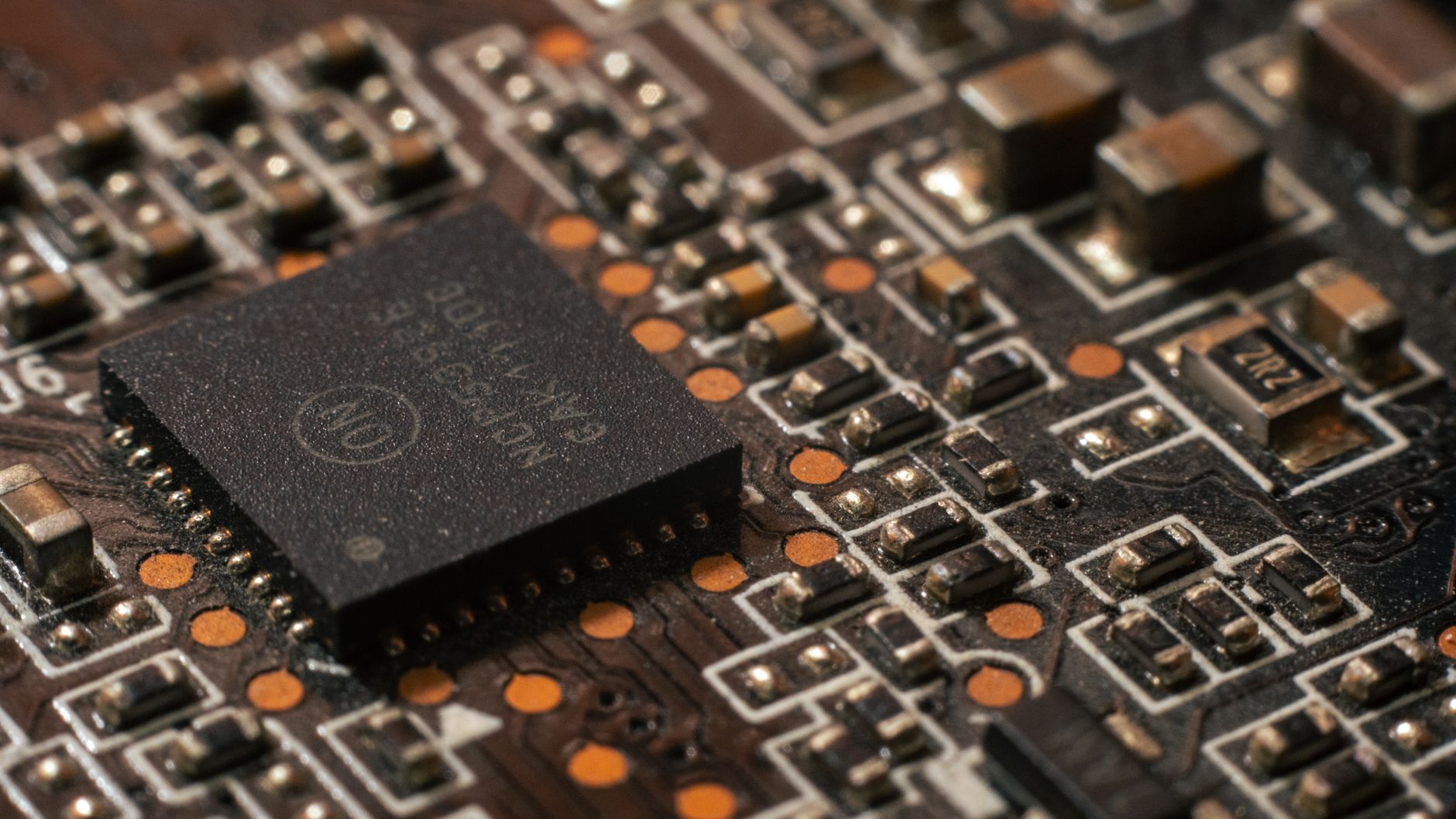
The AI chip design challenge is an exciting initiative launched by Germany’s SPRIND and the Netherlands’ NADI to accelerate innovation in Europe. This €40 million investment aims to enhance AI capabilities in the region.
Overview of the AI chip design challenge
The AI chip design challenge has emerged as a critical concern for the tech industry, particularly in Europe. With the increasing demand for advanced artificial intelligence applications, the need for specialized hardware has never been greater. This challenge is not just about creating faster chips; it involves developing energy-efficient designs that can handle complex algorithms while minimizing environmental impact.
Recently, Germany’s SPRIND and the Netherlands’ NADI have launched a significant initiative, investing €40 million to accelerate AI chip design in Europe. This initiative aims to address the growing gap between AI software capabilities and the hardware that supports them. By fostering collaboration among researchers, startups, and established companies, this challenge is set to revolutionize the landscape of AI technology.
- Investment in Innovation: The funding will encourage innovative approaches to AI chip design, fostering new ideas and solutions.
- Collaboration Opportunities: Participants will have the chance to work alongside leading experts in the field, sharing knowledge and resources.
- Focus on Sustainability: The challenge emphasizes the importance of developing chips that are not only powerful but also environmentally friendly.
As the AI chip design challenge unfolds, it presents an opportunity for Europe to position itself as a leader in AI technology, ensuring that the continent remains competitive in the global market.
Key players in the initiative
The AI chip design challenge has attracted significant interest from various stakeholders in the technology sector. Key players involved in this initiative include:
- SPRIND: Germany’s Federal Agency for Disruptive Innovation, SPRIND aims to foster groundbreaking technologies in AI chip design. Their investment in the challenge demonstrates a commitment to enhancing Europe’s capabilities in this critical field.
- NADI: The Netherlands AI Coalition, known as NADI, is pivotal in promoting collaboration among industries and research institutions. Their involvement ensures that the challenge aligns with broader European goals for AI advancement.
- Industry Leaders: Major tech companies such as Siemens and ASML are also backing the initiative. Their expertise in chip manufacturing and development is expected to provide invaluable insights and resources.
- Academic Institutions: Renowned universities and research organizations across Europe are participating to contribute cutting-edge research and innovations. Their collaboration is vital for overcoming the complexities of the AI chip design challenge.
- Startups and SMEs: Emerging companies are encouraged to take part, bringing fresh ideas and agility to the challenge. This diverse participation fosters a rich ecosystem for innovative solutions.
Together, these players are working towards a shared goal: to accelerate the development of AI chip technologies that can bring Europe to the forefront of global advancements.
Impact on European tech landscape
The recent initiatives led by Germany’s SPRIND and the Netherlands’ NADI signify a pivotal moment for the European tech landscape, especially in the context of the AI chip design challenge. With a substantial investment of €40 million, the challenge aims to bolster Europe’s capabilities in developing advanced AI chips, crucial for enhancing technological independence and competitiveness.
As European countries increasingly recognize the strategic importance of AI technologies, several key impacts are expected:
- Boosting Innovation: The funding will encourage startups and established companies to innovate in AI chip design, fostering a culture of creativity and technological advancement.
- Collaboration Opportunities: The initiative promotes partnerships between academia, industry, and research institutions, paving the way for collaborative projects that harness diverse expertise.
- Talent Development: As more resources are allocated to AI chip design, educational programs can evolve to equip the next generation of engineers and researchers with the necessary skills.
- Market Competitiveness: By investing in domestic AI chip capabilities, Europe aims to reduce reliance on external suppliers, ultimately enhancing its position in the global tech market.
Overall, the AI chip design challenge aims not just to accelerate technological development but also to reshape the future of the European tech landscape, ensuring it remains a key player in the global arena.
Funding details and allocation
The funding details for the AI chip design challenge highlight a significant commitment to advancing technology in Europe. With a total budget of €40 million, this initiative is a collaborative effort between Germany’s SPRIND and the Netherlands’ NADI. The funding aims to address the existing gaps in AI chip design and development, providing essential resources for innovators and researchers.
The allocation of these funds will focus on several key areas:
- Research Grants: A substantial portion will be dedicated to grants for research projects that explore novel AI chip architectures and materials.
- Start-up Support: Funding will be available for startups specializing in AI technologies, enabling them to prototype and test their designs in real-world scenarios.
- Collaborative Partnerships: The initiative encourages partnerships between academic institutions and industry leaders, fostering collaboration that is vital for successful AI chip design.
- Innovation Hubs: Establishing innovation hubs across Europe will facilitate knowledge sharing and resource pooling among participants in the challenge.
By strategically allocating funds towards these areas, the AI chip design challenge aims to stimulate breakthroughs in technology and position Europe as a leader in the global AI landscape. Through these investments, the initiative seeks to overcome the challenges faced in the AI chip design domain and drive sustainable growth in the tech sector.
Future of AI chip development in Europe
The future of AI chip development in Europe looks promising as initiatives like Germany’s SPRIND and the Netherlands’ NADI spearhead efforts to address the AI chip design challenge. With a combined investment of €40 million, these organizations aim to bolster Europe’s position in the global semiconductor market, which has become increasingly competitive.
Several factors contribute to the optimistic outlook for AI chip design in Europe:
- Government Support: European governments are recognizing the strategic importance of AI technologies and are committing resources to enhance research and development in chip design.
- Collaboration between Industry and Academia: Partnerships between tech companies and universities are fostering innovation, allowing for the rapid exchange of ideas and expertise.
- Focus on Sustainability: There is a growing emphasis on creating energy-efficient chips, aligning with broader sustainability goals within the continent.
- Investment in Talent: Europe is investing in education and training programs to develop a skilled workforce capable of tackling the complex challenges of AI chip design.
As these initiatives unfold, the hope is that Europe will not only catch up with global leaders in AI technology but also establish itself as a hub for cutting-edge AI chip design. By embracing collaboration and innovation, Europe can navigate the AI chip design challenge successfully.
Photo by Ivan Chumak on Pexels
