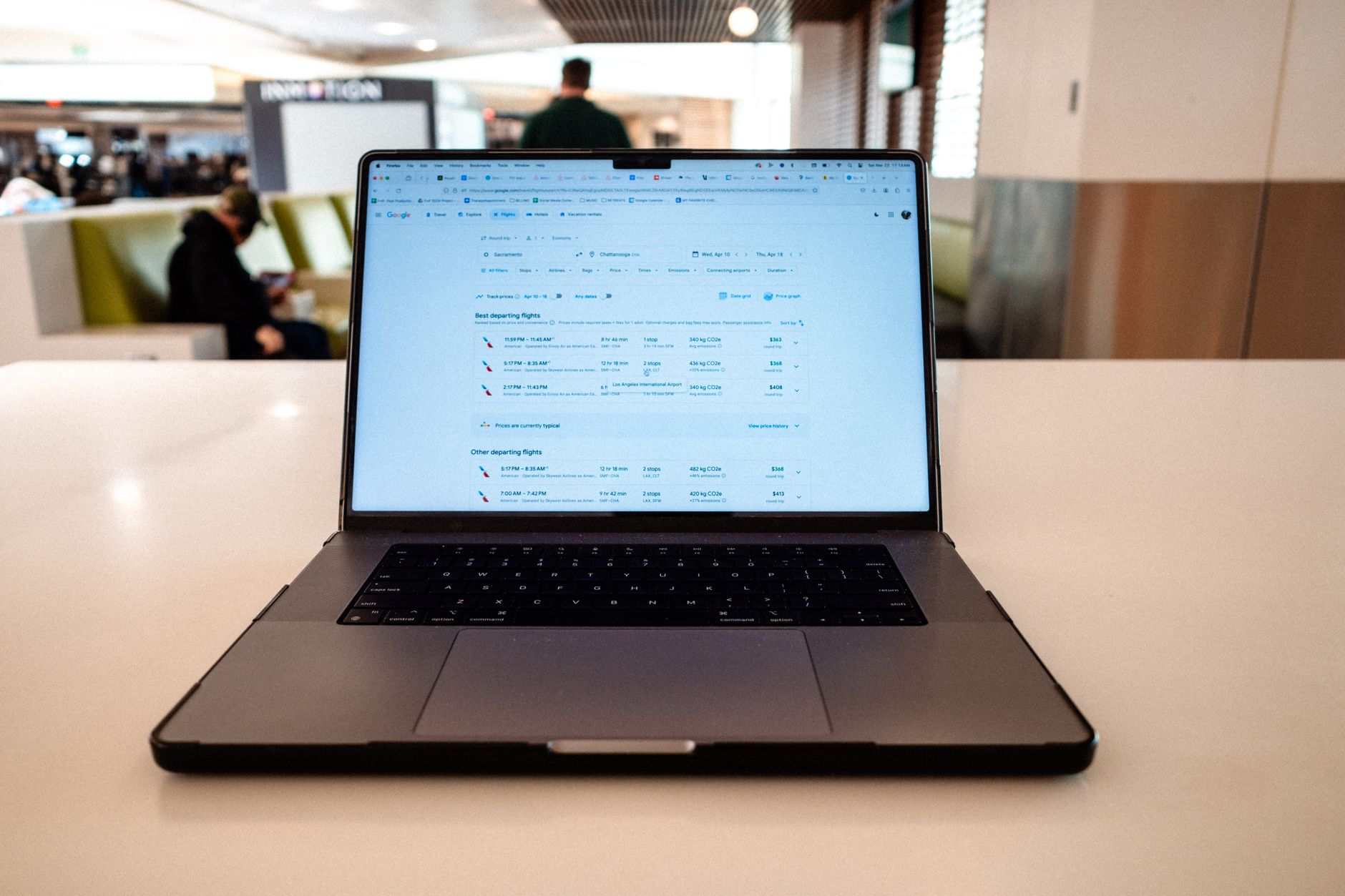
The Googlebook review highlights my struggle with using the device effectively. After a week with a Googlebook, I can’t shake the feeling I’m using an Android tablet disguised as a laptop.
Introduction to the Googlebook
The Googlebook has generated significant buzz since its release, but after a week of testing, my experience has been anything but positive. What was marketed as a versatile laptop feels more like an Android tablet in laptop form. This confusion leaves users questioning its true capabilities and functionality.
Many features that are standard in traditional laptops seem to be missing or poorly executed. The performance is lackluster, and the user interface often feels sluggish. I expected a seamless experience, but instead, I encountered frequent slowdowns and application crashes.
In my opinion, the Googlebook fails to deliver on its promise, leading to frustration and disappointment. For anyone considering a purchase, I would recommend weighing the pros and cons carefully before diving into the Googlebook review.
Design and Build Quality
The design and build quality of the Googlebook leave much to be desired. At first glance, it appears sleek and modern, but upon closer inspection, the shortcomings become evident.
- Materials: The plastic casing feels cheap and flimsy, giving a sense of fragility.
- Keyboard: The keyboard is cramped and lacks tactile feedback, making typing a frustrating experience.
- Trackpad: The trackpad is unresponsive at times, leading to erratic cursor movements.
- Weight: While marketed as lightweight, it feels heavier than expected, contributing to discomfort during prolonged use.
Overall, the design and build quality of the Googlebook suggest a rushed production process. Instead of a reliable laptop experience, it feels more like an Android tablet disguised as a laptop, making the Googlebook review a disappointing one.
Performance and Usability Issues
Users have reported significant performance and usability issues with the Googlebook, leading many to question its suitability as a laptop. The device often feels sluggish, as if it were merely an Android tablet disguised as a laptop.
Among the common complaints are:
- Slow Boot Times: Users experience frustrating delays when powering on the device.
- App Compatibility: Many applications designed for traditional laptops fail to run smoothly, affecting productivity.
- Limited Multitasking: Attempting to run multiple applications simultaneously results in lag and crashes.
- Poor Trackpad Responsiveness: The trackpad often misinterprets gestures, leading to a frustrating user experience.
Overall, the Googlebook review reflects a consensus that its performance limits its potential as a reliable laptop alternative.
Googlebook vs Traditional Laptops
The Googlebook has sparked a debate over its effectiveness compared to traditional laptops. Many users find that its limitations make it feel more like an oversized Android tablet than a true laptop. While traditional laptops offer robust operating systems and a wide range of software, the Googlebook often falls short in these areas.
Some key differences include:
- Operating System: Traditional laptops run powerful systems like Windows or macOS, while the Googlebook relies on Chrome OS, which may not support all applications.
- Software Availability: Users accustomed to specialized software may find the Googlebook lacking in versatility.
- Hardware Limitations: The Googlebook’s hardware is tailored for web-based tasks, leaving heavy software users frustrated.
Overall, the experience with a Googlebook review often leads to disappointment for those expecting a full-fledged laptop experience.
Battery Life and Portability
The battery life of the Googlebook is one of its most significant drawbacks, making it a poor choice for users seeking portability. Users have reported that the device struggles to last through a typical workday without needing a charge. This limitation severely impacts its usability, especially for those who need to work on-the-go.
In terms of weight and design, the Googlebook is relatively lightweight, which may initially seem appealing. However, the lack of a reliable battery undermines this advantage. Those who rely on laptops for travel or commuting will find themselves tethered to power outlets more often than not.
In conclusion, the Googlebook review highlights serious concerns regarding battery life and portability, rendering it less functional compared to traditional laptops. If you prioritize mobility, it may be wise to consider alternatives.
User Feedback and Reviews
User feedback on the Googlebook has been overwhelmingly negative, with many users echoing similar frustrations. Reviews highlight significant concerns regarding its performance and usability, often comparing it unfavorably to traditional laptops.
Common themes from user experiences include:
- Laggy Performance: Users report frequent lagging, making simple tasks tedious.
- Subpar Keyboard: The keyboard is often described as uncomfortable, hindering typing efficiency.
- Limited Software Compatibility: Many users find that essential applications are either unavailable or do not function properly.
- Disappointing Customer Support: Users express frustration with the lack of helpful responses from customer service.
Overall, the Googlebook review reflects a consensus that it falls short of expectations, leading many to feel they are using an Android tablet disguised as a laptop.
Conclusion: Is the Googlebook Worth It?
In conclusion, the Googlebook review reflects a product that struggles to meet the expectations of traditional laptop users. While it offers some attractive features, the overall experience can be disappointing. Users have reported issues related to performance and usability that make daily tasks cumbersome.
Many feel that the Googlebook is trying to be a laptop but ends up resembling an Android tablet, which may not suit everyone’s needs. The lack of robust software options and multitasking capabilities limits its appeal for professionals and power users.
Ultimately, whether the Googlebook is worth the investment depends on individual requirements. If you’re seeking a device for casual use and light browsing, it might suffice; however, those needing a reliable workhorse should consider alternative laptops.
Weighing the pros and cons, it’s clear that the Googlebook may not be the best choice for everyone.
In my recent Googlebook review, I detailed the numerous issues I faced with the device, from hardware malfunctions to software glitches. This Googlebook review serves as a cautionary tale for anyone considering this laptop.
Photo by K on Pexels
Sources
Related stories
Samsung Galaxy F70 vs Poco M8x: Which is the Best Choice? · BlackBox update PlayStation 5: Proven Benefits for Users · Policy Credibility and Continuity: The Key to FDI Success
