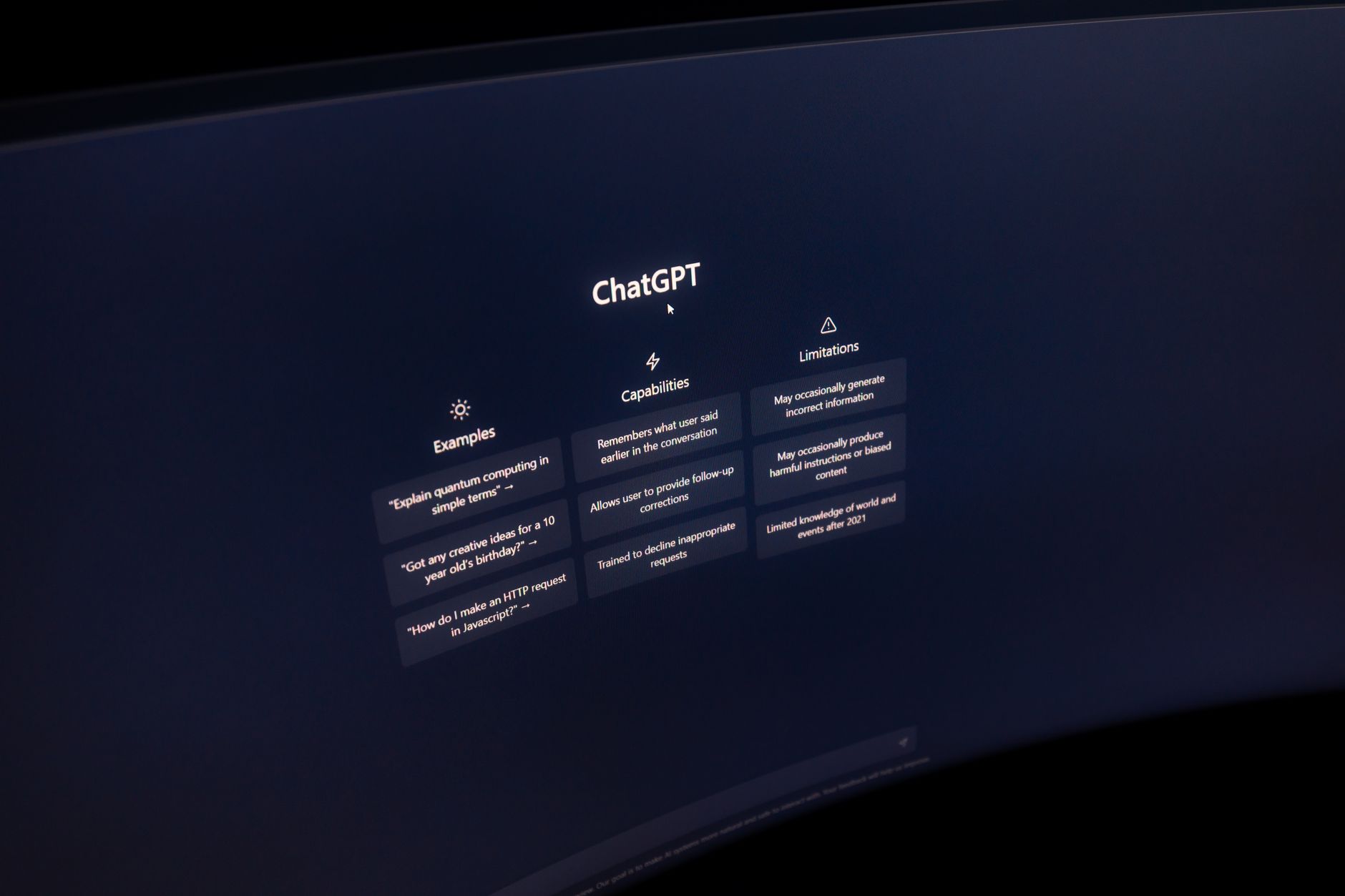
AI workload monitoring is crucial for maintaining safety in AI operations. OpenAI’s new Control Room offers innovative solutions for effective oversight.
What is AI workload monitoring?
AI workload monitoring refers to the systematic tracking and analysis of tasks and processes managed by artificial intelligence systems. This practice is essential for ensuring that AI applications operate efficiently and safely. As AI technology continues to evolve, the demand for effective monitoring solutions has grown significantly.
By implementing AI workload monitoring, organizations can:
- Optimize performance: Continuous monitoring allows for the identification of bottlenecks and inefficiencies within AI systems, leading to improved overall performance.
- Enhance safety: Monitoring helps detect anomalies and potential risks, enabling timely interventions to prevent system failures or harmful outcomes.
- Ensure compliance: Many industries are subject to strict regulations regarding data usage and processing. AI workload monitoring provides necessary oversight to adhere to these standards.
With the recent launch of tools like OpenAI’s Control Room, organizations can now leverage advanced features for comprehensive AI workload monitoring. These tools not only facilitate better management of AI resources but also promote safety and reliability in AI-driven operations.
Benefits of effective AI monitoring
Effective AI workload monitoring offers numerous benefits that significantly enhance the performance and safety of AI systems. By implementing robust monitoring solutions, organizations can ensure that their AI models operate within desired parameters, reducing the risk of unexpected failures and enhancing overall reliability.
Some key benefits of effective AI workload monitoring include:
- Improved Performance: Continuous monitoring allows for real-time adjustments and optimizations, ensuring that AI systems perform at their best.
- Enhanced Safety: By tracking workloads closely, organizations can identify anomalies that may indicate potential safety issues, allowing for proactive measures to mitigate risks.
- Resource Optimization: AI workload monitoring helps organizations efficiently allocate resources, leading to cost savings and improved operational efficiency.
- Compliance and Accountability: Effective monitoring ensures that AI systems adhere to regulatory standards and ethical guidelines, fostering trust among stakeholders.
- Data-Driven Insights: Organizations gain valuable insights into workload patterns, enabling them to make informed decisions and drive strategic initiatives.
In conclusion, investing in AI workload monitoring is essential for organizations aiming to harness the full potential of their AI systems while ensuring safety and compliance.
How OpenAI’s Control Room works
OpenAI’s Control Room is a cutting-edge solution designed to enhance AI workload monitoring and safety. This innovative platform provides real-time oversight of AI systems, ensuring they operate within safe parameters. Through a user-friendly interface, operators can easily navigate various functionalities that facilitate effective monitoring.
One of the key features of the Control Room is its ability to visualize workload data. It presents critical metrics through intuitive dashboards, allowing users to quickly assess the performance of different AI models. This visualization not only aids in identifying potential issues but also helps in understanding the overall health of the AI systems.
Furthermore, the Control Room incorporates advanced alerting mechanisms. Users receive notifications when workloads exceed predefined thresholds, enabling timely interventions to prevent potential failures. This proactive approach is essential for maintaining the integrity and safety of AI applications.
In addition, the platform supports seamless integration with existing infrastructure, making it adaptable for various operational environments. As organizations increasingly rely on AI technologies, OpenAI’s Control Room stands out as a vital tool for effective AI workload monitoring and enhancing safety in AI deployments.
Key features of the Control Room
The Control Room offers a range of key features designed to enhance AI workload monitoring and ensure safety across various applications. These features are instrumental in maintaining optimal performance and reliability of AI systems.
- Real-time Monitoring: Users can observe workload metrics in real-time, enabling quick responses to any anomalies or performance issues that may arise.
- Comprehensive Dashboards: The Control Room includes intuitive dashboards that present critical data visually, making it easier for operators to analyze workloads and identify trends.
- Alert System: Integrated alerts notify users of any irregularities or thresholds crossed, allowing for immediate intervention and minimizing potential risks.
- Historical Data Analysis: Users can access historical data to assess workload performance over time, aiding in future planning and optimization.
- Customizable Reporting: The system allows for tailored reports that focus on specific metrics or timeframes, ensuring that stakeholders have the information they need at their fingertips.
These features collectively enhance the effectiveness of AI workload monitoring, equipping organizations with the tools necessary to manage their AI systems safely and efficiently.
Challenges in AI workload management
As organizations increasingly adopt AI technologies, they face several challenges in effective AI workload monitoring. These challenges can hinder operational efficiency and compromise safety standards.
- Data Overload: AI systems generate vast amounts of data, making it difficult for teams to monitor and analyze workloads effectively. This complexity can lead to missed anomalies and potential system failures.
- Integration Issues: Many organizations utilize multiple AI tools that may not integrate seamlessly. This fragmentation complicates the monitoring process, as teams must toggle between different systems to obtain a comprehensive view of workloads.
- Resource Allocation: Properly allocating resources for AI monitoring can be challenging. Insufficient resources may lead to delays in identifying issues, while over-allocation can strain budgets.
- Skill Gaps: There is a notable shortage of skilled professionals who specialize in AI workload monitoring. This gap can hinder the implementation of effective monitoring practices and limit an organization’s ability to respond quickly to issues.
Addressing these challenges is crucial for organizations seeking to ensure safety and efficiency in their AI operations.
Future of AI safety and monitoring
The future of AI safety and monitoring is rapidly evolving, driven by the increasing complexity of artificial intelligence systems and their workloads. As organizations adopt more advanced AI technologies, the necessity for robust AI workload monitoring solutions becomes paramount. These systems are designed to ensure that AI operates within safe parameters, mitigating risks associated with errors and biases.
One promising direction for the future includes the integration of real-time analytics and predictive modeling. By utilizing these technologies, companies can anticipate potential issues before they escalate, thus enhancing overall safety and efficiency. Additionally, the incorporation of automated alert systems will enable quicker responses to anomalies, ensuring that human operators can intervene when necessary.
As regulatory frameworks around AI continue to develop, compliance will be a critical component of AI workload monitoring. Organizations will need to align their monitoring practices with these regulations to avoid penalties and ensure ethical usage of AI. Furthermore, the collaboration between AI developers and regulatory bodies will foster a safer environment for AI deployment.
Ultimately, the future of AI safety hinges on continuous innovation in monitoring systems, which will play a vital role in building trust and accountability in AI technologies.
Photo by Yan Krukau on Pexels