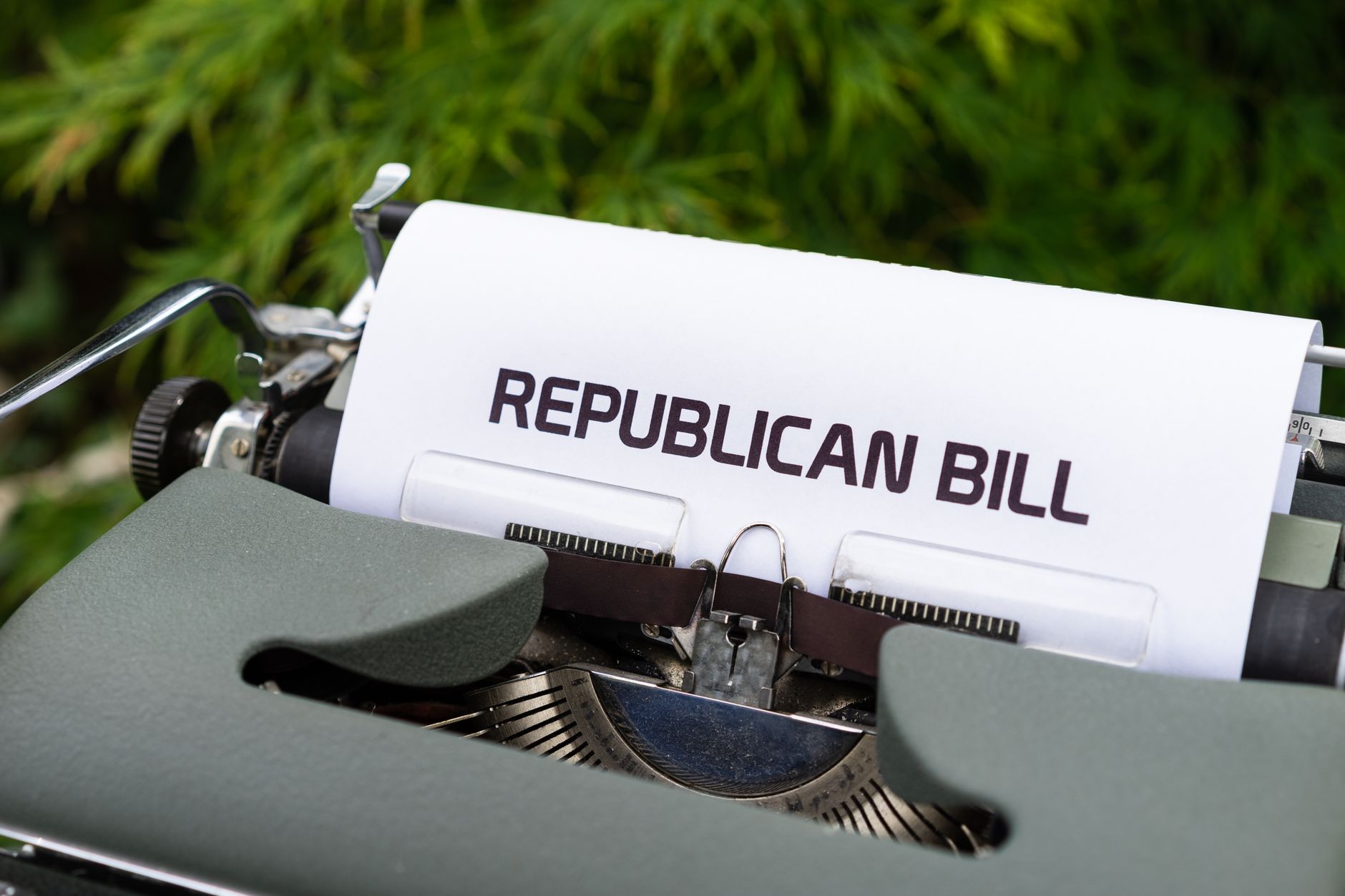
AI bill US lawmakers are currently reviewing has been circulated by Anthropic, sparking discussions on the future of AI regulation in the United States.
What is the AI bill?
The AI bill is a proposed piece of legislation aimed at regulating the development and use of artificial intelligence technologies in the United States. It seeks to address various concerns surrounding AI, including ethics, accountability, and safety. As AI continues to evolve rapidly, US lawmakers are feeling pressure to create a framework that ensures these technologies benefit society while minimizing potential risks.
Key aspects of the AI bill include:
- Establishing guidelines: The bill proposes clear guidelines for AI developers to follow, ensuring transparency and fairness in their algorithms.
- Promoting safety: It includes provisions for regular audits and assessments of AI systems to identify and mitigate any harmful effects.
- Encouraging innovation: By setting a regulatory baseline, the bill aims to foster innovation while also protecting consumers and businesses.
As discussions around the AI bill continue, it remains to be seen how US lawmakers will balance innovation with the need for oversight in this transformative field.
Impact of AI legislation
The impact of AI legislation is a topic of significant debate among US lawmakers and industry experts. As the AI bill circulates among legislators, its potential effects on innovation, security, and employment are under scrutiny.
Proponents argue that the AI bill is essential for ensuring ethical standards and safety in AI development. They believe that clear regulations can foster trust and pave the way for advancements in technology. However, critics fear that overregulation may stifle creativity and hinder the growth of the AI sector in the United States.
Key considerations include:
- Innovation: How will regulations affect startups and established companies?
- Security: What measures will ensure AI systems are secure from misuse?
- Employment: How will legislation address the potential displacement of jobs due to AI?
As US lawmakers continue to discuss the AI bill, the outcomes of these conversations could shape the future landscape of artificial intelligence in the country.
Anthropic’s role in AI regulation
As discussions around the AI bill intensify, Anthropic, a prominent AI safety research company, has emerged as a key player in shaping the future of AI regulation in the United States. The organization has taken the initiative to circulate the proposed legislation among US lawmakers, aiming to gather support and feedback from various stakeholders.
Anthropic’s involvement highlights several critical aspects of AI governance, including:
- Safety and Accountability: The company advocates for frameworks that ensure AI systems are not only safe but also accountable to users and society.
- Transparency: Emphasizing the need for transparency in AI operations, Anthropic believes this is essential for building public trust.
- Collaboration with Policymakers: By actively engaging with lawmakers, Anthropic seeks to bridge the gap between technology and regulation, ensuring that the AI bill reflects the realities of advanced AI capabilities.
As US lawmakers consider the implications of the AI bill, Anthropic’s contributions may prove pivotal in navigating the complex landscape of artificial intelligence regulation.
Reactions from US lawmakers
Reactions from US lawmakers regarding the proposed AI bill have varied significantly, reflecting a range of perspectives on the implications of artificial intelligence regulation. Some lawmakers have expressed strong support, emphasizing the need for a comprehensive framework to ensure the safe development and deployment of AI technologies. They argue that effective legislation can protect consumers while fostering innovation.
On the other hand, some critics voice concerns that the AI bill may stifle technological advancement and burden startups with excessive regulations. They fear that overly stringent rules could hinder the US’s competitive edge in the global AI landscape.
Notably, Senator Maria Cantwell praised the bill, stating that it is a crucial step towards accountability in AI development. Conversely, Representative Thomas Massie cautioned that lawmakers should proceed with caution to avoid unintended consequences.
As discussions continue, it remains to be seen how these reactions will shape the final version of the AI bill and its potential impact on the future of technology in the United States.
Future of AI policy in the US
The future of AI policy in the US is poised for significant transformation as lawmakers consider the implications of the emerging AI bill. As discussions evolve, it becomes crucial to examine the potential paths forward for governance in this rapidly advancing field.
In recent months, the focus has shifted to balancing innovation with safety. Lawmakers are increasingly aware of the need for regulations that protect citizens while encouraging technological growth. Key considerations include:
- Transparency: Ensuring that AI systems are understandable and their decision-making processes are clear.
- Accountability: Establishing who is responsible when AI systems cause harm or make errors.
- Ethical Standards: Developing guidelines to ensure that AI technologies are aligned with societal values.
Additionally, the collaboration between tech companies and government officials will be vital in shaping effective legislation. The AI bill proposed by US lawmakers aims to address these challenges, fostering a regulatory landscape that supports both innovation and public trust.
The recent discussions surrounding the AI bill US lawmakers are considering have sparked a debate about its potential impact on innovation and regulation. Many experts believe that the AI bill US lawmakers propose could set a crucial precedent for the future of technology governance.
Photo by Markus Winkler on Pexels