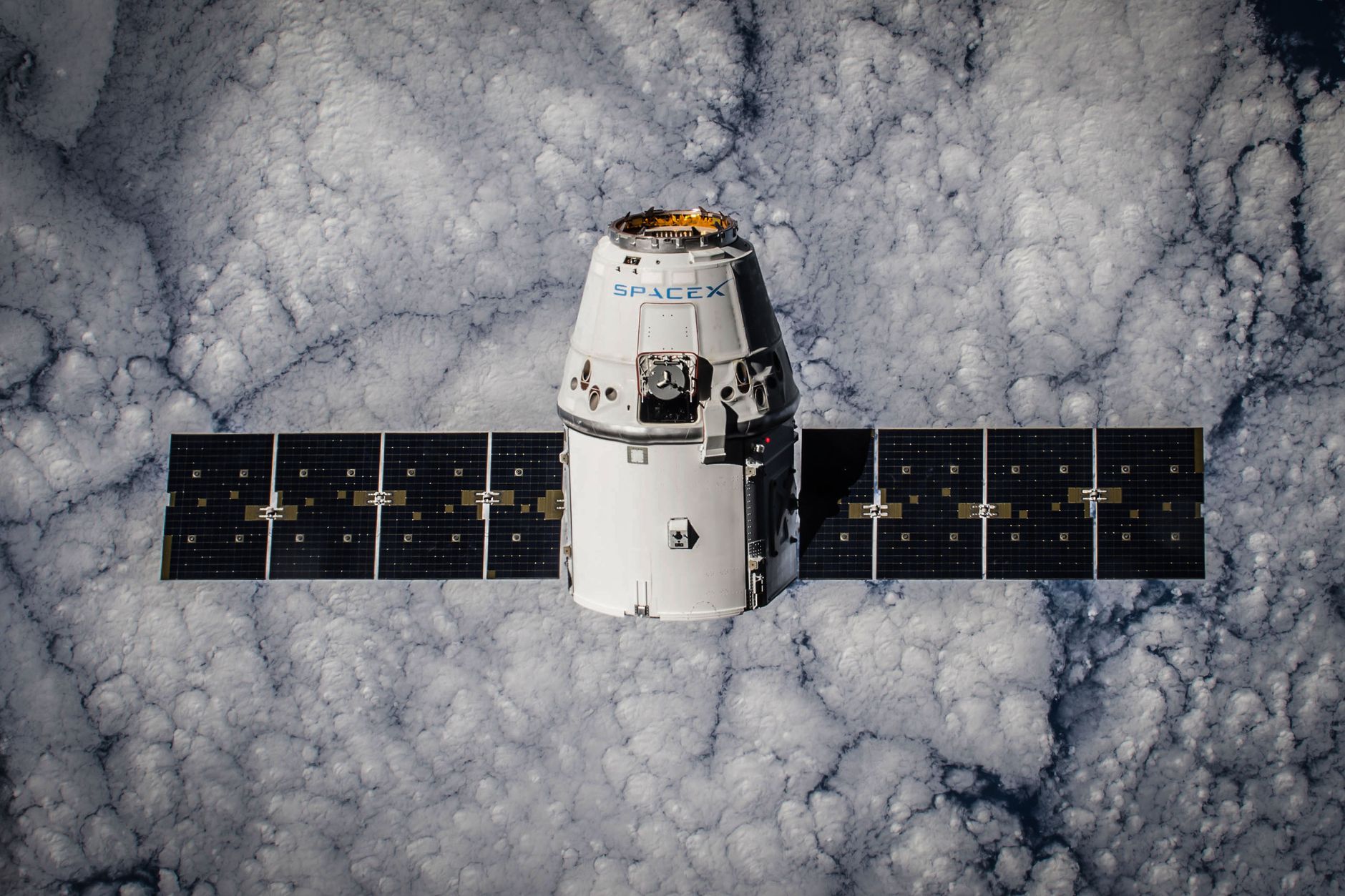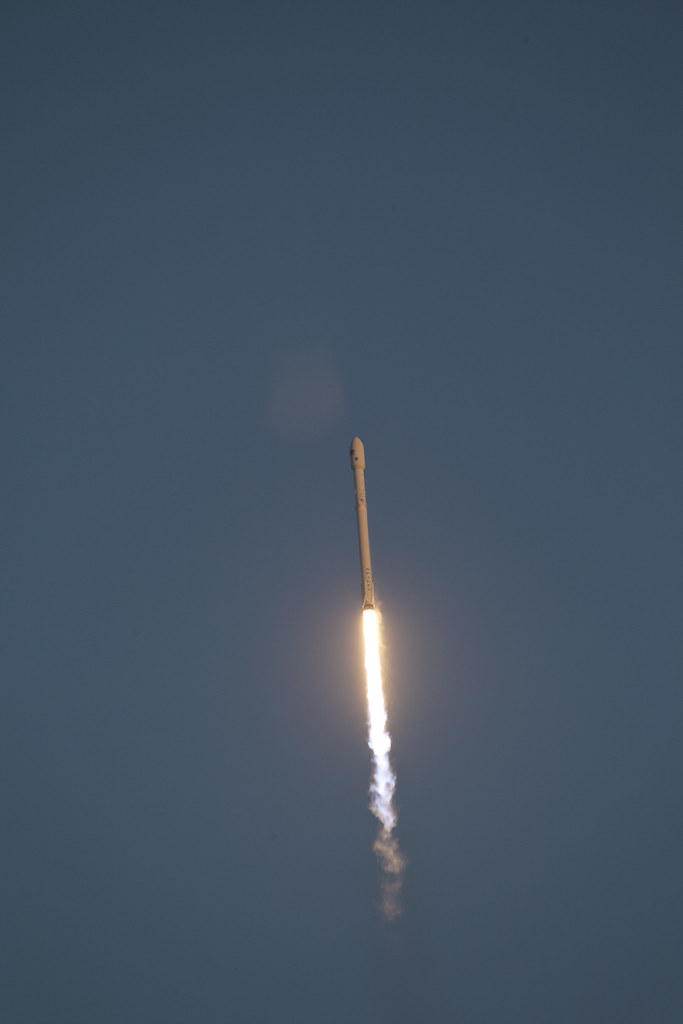
SpaceX satellite launch is a significant milestone for artificial intelligence. With the recent US approval, the company aims to deploy a million satellites to enhance AI capabilities.
Overview of SpaceX’s Approval
Recently, SpaceX received approval from the U.S. government to launch a substantial number of satellites, with plans to deploy up to one million satellites aimed at enhancing artificial intelligence capabilities. This decision marks a significant milestone in both satellite technology and AI development, as the constellation of satellites could potentially revolutionize data collection and processing.
SpaceX’s satellite launch initiative has generated a mix of excitement and concern among experts and the public. Proponents argue that a vast network of satellites can provide unprecedented access to real-time data, which is crucial for training AI models and improving their accuracy. Some key benefits include:
- Enhanced global internet coverage, especially in remote areas.
- Improved data gathering for various sectors, including agriculture, climate monitoring, and disaster response.
- Accelerated advancements in AI technologies through richer datasets.
However, critics raise valid concerns regarding potential risks associated with such a massive deployment. Issues like space debris, regulatory challenges, and data privacy are at the forefront of discussions surrounding the project. As SpaceX embarks on this ambitious venture, the implications of their satellite launch on AI development and the broader technological landscape remain to be seen.
Impact on Artificial Intelligence
The recent approval for SpaceX to launch a million satellites has opened up discussions about its potential impact on artificial intelligence.
Experts believe that this initiative could significantly enhance AI capabilities by providing vast amounts of data from numerous sources. Here are some key points regarding the implications of the SpaceX satellite launch on AI:
- Data Collection: The satellites are expected to gather real-time data on various environmental and atmospheric conditions, which can be invaluable for training AI models.
- Global Connectivity: With a network of satellites in orbit, remote areas may gain access to the internet, enabling AI applications in regions previously disconnected from advanced technology.
- Real-Time Processing: The ability to process data from numerous satellites can lead to quicker decision-making for AI systems, improving their efficiency in sectors like agriculture and disaster response.
- Enhanced Machine Learning: The increased volume of data can lead to improved machine learning algorithms, allowing for more accurate predictions and analyses.
Nevertheless, some experts raise concerns about the ethical implications of such extensive data collection and the potential for misuse of information. The balance between innovation and privacy will be crucial as we move forward with the ramifications of the SpaceX satellite launch in the realm of artificial intelligence.
What This Means for Satellite Technology
The recent approval granted to SpaceX for its satellite launch initiative marks a significant milestone in satellite technology. With plans to deploy a million satellites, this venture is poised to revolutionize the way data is collected and processed globally.
One key implication of this initiative is:
- Increased Connectivity: The vast network of satellites will enhance internet access in remote areas, bridging the digital divide and facilitating communication worldwide.
- Data Collection: With a multitude of satellites in orbit, the potential for gathering data related to climate, geography, and human activity could provide invaluable insights.
- Advancements in AI: The integration of AI with satellite technology is set to improve data analysis and interpretation, allowing for quicker decision-making.
Moreover, the SpaceX satellite launch could pave the way for innovative applications in various sectors, including agriculture, disaster response, and urban planning. The ability to monitor changes in real-time through a comprehensive satellite network may lead to more effective strategies for managing resources and responding to environmental challenges.
As the satellite technology landscape evolves, it is crucial to consider the implications of such rapid advancements and ensure that ethical standards are maintained in the deployment and use of these systems.
Challenges Ahead for SpaceX
As SpaceX embarks on its ambitious plan for a satellite launch, several challenges loom on the horizon. The mission to deploy a million satellites for artificial intelligence applications is no small feat, and the company must navigate a complex landscape of regulatory, technical, and environmental hurdles.
One of the primary concerns is the regulatory framework governing satellite launches. SpaceX must adhere to strict guidelines set forth by the Federal Aviation Administration (FAA) and the Federal Communications Commission (FCC). These agencies are tasked with ensuring that satellite launches do not interfere with existing space traffic and that they comply with safety standards. Any delays in obtaining necessary permits could hinder the timeline for the SpaceX satellite launch.
Furthermore, the technical challenges associated with launching and maintaining such a vast constellation of satellites are significant. SpaceX will need to ensure that each satellite functions optimally and communicates effectively with ground systems and other satellites in the network. This requires advancements in satellite technology and robust troubleshooting protocols to address potential failures.
Environmental concerns also play a critical role in the mission’s success. The potential impact of thousands of satellites on the night sky and local ecosystems has raised questions among environmental groups and astronomers alike. Balancing the benefits of AI-driven satellite technology with these challenges will be crucial for SpaceX moving forward.
In conclusion, while the SpaceX satellite launch holds great promise, overcoming these challenges will be essential for realizing its full potential.
Future of Space Exploration
The recent approval for SpaceX to launch a million satellites marks a significant milestone in the realm of space exploration. This venture not only aims to enhance global internet connectivity but also stands to revolutionize various sectors, particularly artificial intelligence. As we look to the future, the implications of this SpaceX satellite launch extend far beyond mere logistics.
One of the most promising aspects of this initiative is its potential to improve data collection and analysis. With a vast network of satellites in orbit, the ability to gather real-time data will be unprecedented. This surge in information could lead to advancements in machine learning algorithms, ultimately benefiting industries such as healthcare, transportation, and climate science.
However, the journey is not without its challenges. The sheer number of satellites poses concerns regarding space debris and orbital congestion. To address these issues, SpaceX is tasked with implementing effective satellite management systems that ensure sustainable practices in space.
Moreover, the collaboration between private companies and governments will be crucial in shaping the regulatory framework for this new frontier. As we navigate through these complexities, the focus will remain on harnessing the full potential of artificial intelligence, ensuring that it complements human capabilities rather than overshadowing them.
In conclusion, the future of space exploration is intricately linked to the successful execution of the SpaceX satellite launch and its implications for AI development.
Public Reaction to the Launch
The recent SpaceX satellite launch has ignited a wave of public reaction, showcasing a mix of enthusiasm and skepticism among various communities. Many tech enthusiasts and industry experts are excited about the potential advancements this launch could bring to artificial intelligence.
Supporters argue that the deployment of a vast network of satellites could enhance data collection, leading to breakthroughs in AI applications. They highlight how improved satellite technology can facilitate real-time analysis and decision-making, particularly in fields like climate science and disaster response.
- Increased Connectivity: Proponents believe that a more extensive satellite network will enable better internet access, especially in remote areas.
- Advancements in AI: The ability to gather large datasets from space could lead to significant improvements in machine learning algorithms.
However, critics are voicing concerns regarding the potential risks associated with such a massive scale of satellite deployment. Some experts worry about the environmental impact and the risk of space debris, which could pose threats to both current and future space missions.
- Environmental Concerns: There are fears about how satellite launches might affect ecosystems on Earth.
- Space Debris: The increase in satellites could lead to a higher risk of collisions in orbit.
As public opinions continue to evolve, the long-term effects of the SpaceX satellite launch on artificial intelligence and space exploration remain to be seen.
Regulatory Considerations
As SpaceX prepares for its ambitious satellite launch, regulatory considerations are increasingly coming into focus. The approval granted by US authorities for the company to deploy a million satellites has raised both excitement and concern within the regulatory community.
One of the primary concerns revolves around spectrum management. With thousands of satellites entering orbit, the potential for signal interference increases significantly. Regulators must ensure that the electromagnetic spectrum is managed effectively to prevent disruptions to existing communication systems.
Additionally, space debris management has become a critical issue. The sheer volume of planned launches raises questions about the sustainability of low Earth orbit. Regulatory bodies are tasked with establishing guidelines to mitigate the risk of collisions and to manage end-of-life disposal for satellites.
Furthermore, the implications of these launches for global governance cannot be overlooked. The deployment of a vast network of satellites for artificial intelligence applications could shift the balance of power in data collection and analysis. Countries may seek to establish regulatory frameworks that promote fair access and usage of satellite data.
Ultimately, as SpaceX embarks on this monumental satellite launch, balancing innovation with responsible regulation will be critical to ensuring that advancements in technology benefit society as a whole.
The SpaceX satellite launch has sparked debates on its implications for artificial intelligence development. Many experts believe that the SpaceX satellite launch could provide essential data for training AI systems.
By NASA Goddard Photo and Video via Openverse
Sources
Vivo X500 Pro Max: The Best Phone with Proven Specs · WhatsApp Message Scheduling: Easy Way to Organize Chats · Anker gadgets discounts: Best proven deals this November