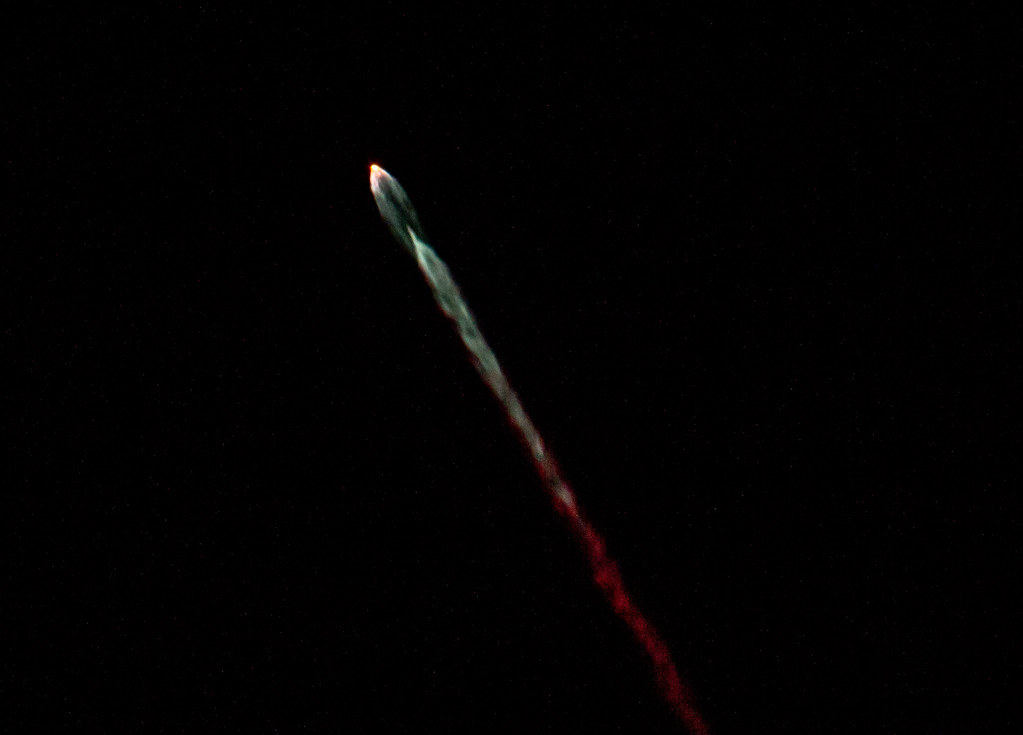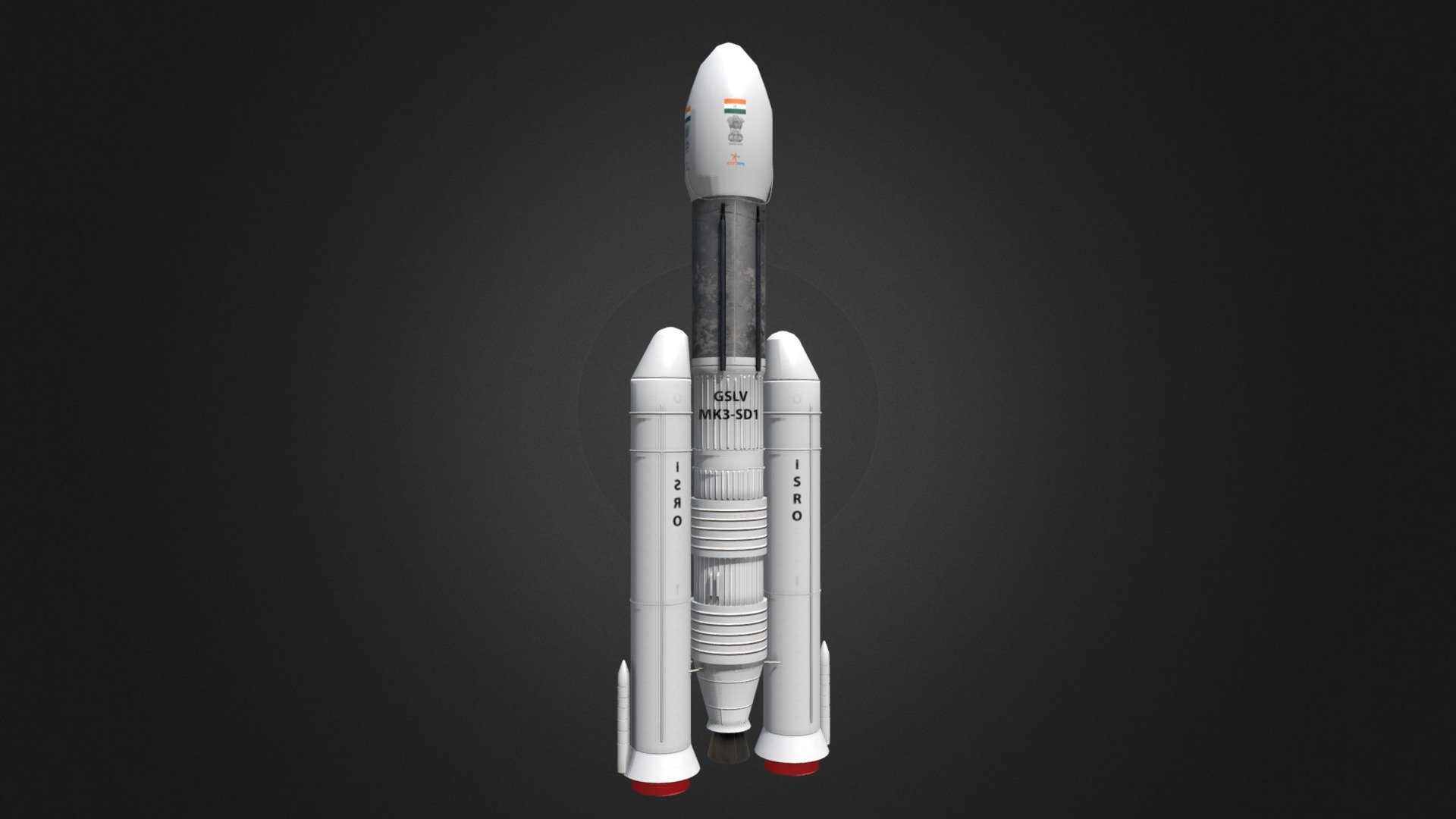
The GSLV rocket launch was a significant achievement for ISRO, successfully deploying the NVS-03 navigation satellite into orbit. This accomplishment highlights the agency’s growing capabilities in space exploration.
Overview of GSLV Rocket
The GSLV rocket, often dubbed ISRO’s ‘naughty boy’, has proven its capabilities with the successful launch of the NVS-03 navigation satellite. This launch marks another significant achievement for the Indian Space Research Organisation (ISRO), showcasing the reliability and advancement of the GSLV series.
The GSLV, or Geosynchronous Satellite Launch Vehicle, is designed to place heavier payloads into orbit, making it a crucial asset for various space missions. It has undergone numerous enhancements since its inception, addressing past challenges to ensure successful deployments.
With the recent launch, the GSLV rocket has demonstrated:
- Improved payload capacity
- Enhanced flight reliability
- Advanced technology integration
The successful deployment of the NVS-03 satellite further solidifies the GSLV’s reputation as a dependable vehicle for future missions.
Significance of NVS-03
The launch of the NVS-03 satellite aboard the GSLV rocket marks a significant milestone for the Indian Space Research Organisation (ISRO) and the nation’s navigation capabilities. This mission is crucial as it enhances the Indian Regional Navigation Satellite System (IRNSS), providing accurate positioning services across the country and extending to surrounding regions.
Additionally, the NVS-03 satellite is equipped with advanced atomic clocks, improving the precision of the navigation signals. This development is pivotal for various applications, including:
- Transportation: Enhancing navigation for vehicles and aircraft.
- Agriculture: Facilitating precision farming techniques.
- Disaster Management: Improving response times and coordination during emergencies.
Ultimately, the GSLV rocket launch of NVS-03 demonstrates ISRO’s capability in advancing technology and boosting the country’s self-reliance in satellite navigation.
ISRO’s Journey with GSLV
The Indian Space Research Organisation (ISRO) has made significant strides in its journey with the GSLV rocket, overcoming numerous challenges since its inception. Initially labeled as the “naughty boy” of ISRO, the GSLV program faced several setbacks, including failed launches that raised concerns about its reliability.
However, persistent efforts and innovative engineering led to a series of successful missions, transforming GSLV into a reliable workhorse for satellite launches. The recent launch of the NVS-03 satellite is a testament to the rocket’s evolution and capability.
Highlights of ISRO’s journey with GSLV include:
- Technological advancements: Continuous improvements in launch vehicle design.
- Successful missions: A growing list of successful satellite deployments.
- International collaborations: Increased engagement with global space agencies.
With each successful launch, ISRO solidifies the GSLV rocket’s reputation as a crucial asset in its space exploration endeavors.
Technological Innovations in Space
The recent GSLV rocket launch has showcased several technological innovations that enhance the capabilities of India’s space program. One of the standout features of this launch is the improved payload capacity, which allows for the deployment of heavier satellites into geosynchronous orbit. Additionally, the rocket’s advanced cryogenic technology has been refined, resulting in greater efficiency and reliability during the launch process.
Moreover, the integration of state-of-the-art telemetry and tracking systems ensures precise monitoring of the rocket’s performance in real-time. These advancements not only demonstrate ISRO’s commitment to innovation but also its ability to respond to the growing demands of space exploration.
As the GSLV continues to evolve, it solidifies its place as a crucial asset in India’s journey toward becoming a leader in global space technology.
Challenges Faced During Launch
The recent GSLV rocket launch of the NVS-03 satellite faced several challenges that tested ISRO’s engineering capabilities. Despite its proven track record, the GSLV rocket has previously encountered issues that required meticulous planning and execution.
- Technical Glitches: Prior launches experienced unexpected technical setbacks, leading to delays and extensive troubleshooting.
- Weather Conditions: Adverse weather during the countdown phase posed risks, necessitating backup plans to ensure a safe launch window.
- Complex Payload Integration: The integration of the NVS-03 satellite into the rocket demanded precision, as any misalignment could jeopardize the mission.
ISRO’s commitment to addressing these challenges has been instrumental in the success of this GSLV rocket launch, showcasing their resilience and expertise in space exploration.
Future Missions Planned by ISRO
The Indian Space Research Organisation (ISRO) has ambitious plans for future missions following the successful GSLV rocket launch of the NVS-03 satellite. These upcoming missions aim to enhance India’s capabilities in navigation, communication, and earth observation.
Key future missions include:
- Gaganyaan Mission: India’s first human spaceflight, set to demonstrate ISRO’s advancements in crewed space exploration.
- Chandrayaan-3: Aiming to further explore the lunar surface and build on previous missions.
- Mangalyaan-2: A planned mission to Mars, focusing on advanced research and exploration.
- NavIC Expansion: Enhancements to the Navigation with Indian Constellation (NavIC) system to improve coverage and accuracy.
With the GSLV rocket launch’s proven success, ISRO is poised to continue making significant strides in space technology.
Public Response to the Launch
The recent GSLV rocket launch has garnered enthusiastic responses from the public, showcasing the nation’s unwavering support for India’s space endeavors. Many space enthusiasts took to social media to express their pride and excitement over the successful deployment of the NVS-03 satellite.
Comments highlighted the significance of this achievement, with numerous users sharing images and videos of the launch. One user remarked, “The GSLV rocket launch marks a new era for our navigation capabilities!” Another shared, “Proud to witness ISRO’s progress, especially with the GSLV’s proven success.”
Public sentiment reflects a deep appreciation for the hard work and dedication of scientists at ISRO, who have turned challenges into triumphs. As India continues to establish itself in the global space arena, the GSLV rocket launch serves as a testament to the nation’s growing prowess in technology and innovation.
Conclusion and Implications for Space Exploration
The recent GSLV rocket launch marks a pivotal moment in India’s space exploration efforts and demonstrates ISRO’s growing capabilities in satellite deployment. With the successful placement of the NVS-03 satellite into orbit, ISRO has solidified the GSLV’s reputation as a reliable workhorse for complex missions.
This achievement not only enhances India’s navigation systems but also opens doors for future interplanetary missions. As the GSLV rocket continues to prove its reliability, it paves the way for ambitious projects that could extend India’s presence beyond Earth’s orbit.
Moreover, this success fosters international collaboration, inviting partnerships with other space agencies and private entities. In conclusion, the GSLV rocket launch signifies a landmark achievement for ISRO and highlights the importance of continued investment in space technology for the future of exploration.
- Enhanced navigation capabilities
- Potential for interplanetary missions
- Strengthened international partnerships
By Jainesh Pathak via Openverse