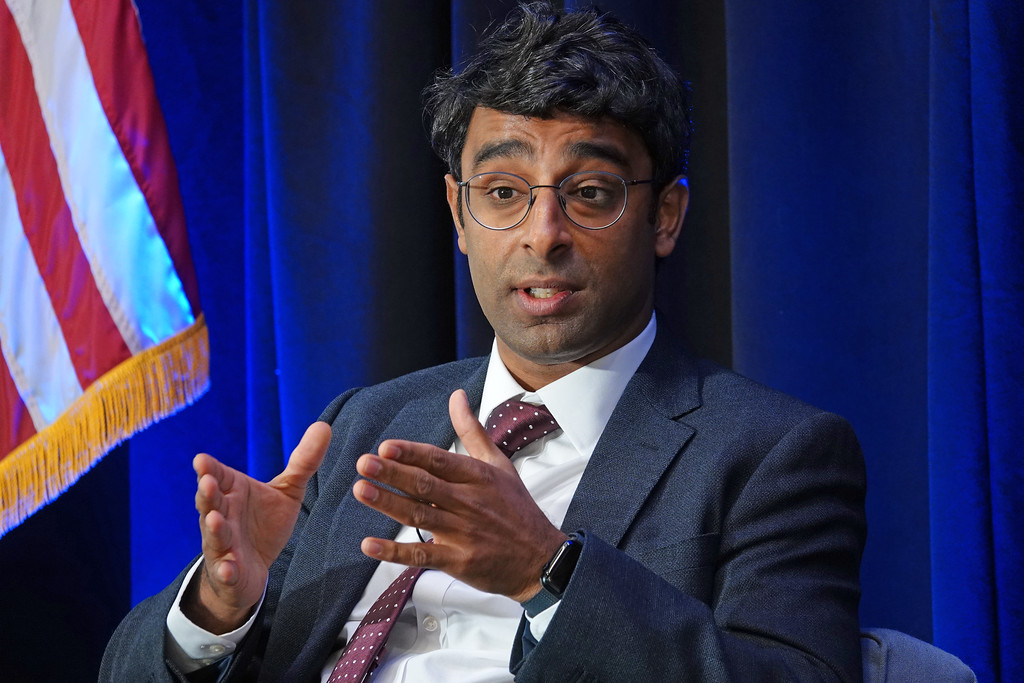
India’s foreign policy is a topic of great interest and debate. In this video, Shashi Tharoor examines the current strategies and their effectiveness.
Overview of India’s Foreign Policy
India’s foreign policy has evolved significantly over the years, adapting to changing global dynamics and challenges. The nation’s approach is characterized by a blend of pragmatism and idealism, aiming to enhance its influence on the world stage. Key principles of India’s foreign policy include:
- Non-alignment: Historically, India has maintained a non-aligned stance, choosing not to align with any major power bloc.
- Strategic Partnerships: In recent years, India has forged strong partnerships with various countries, including the United States, Russia, and Japan, to bolster its geopolitical standing.
- Regional Cooperation: India actively engages in regional organizations, such as SAARC and BIMSTEC, to foster economic and political collaboration in South Asia.
- Climate Diplomacy: As a proponent of sustainable development, India plays a crucial role in global climate discussions, advocating for equitable solutions to environmental challenges.
Despite these advancements, challenges remain in India’s foreign policy, including balancing relations with neighboring countries and addressing global security concerns. As discussed by Shashi Tharoor, understanding what works and what needs improvement is vital for strengthening India’s foreign policy and enhancing its global influence.
Recent Developments in Diplomacy
Recent developments in diplomacy have highlighted India’s evolving foreign policy as a key player on the global stage. With a focus on strategic partnerships, India has engaged in various multilateral initiatives that emphasize cooperation and mutual benefit.
One significant aspect of India’s foreign policy is its active participation in international forums such as:
- G20 Summit
- BRICS meetings
- United Nations discussions
These platforms allow India to showcase its commitment to addressing global challenges, including climate change, economic disparities, and security concerns. Moreover, India’s outreach to neighboring countries has been pivotal in strengthening regional ties, facilitating trade agreements, and enhancing cultural exchanges.
Furthermore, Shashi Tharoor emphasized the importance of engaging with both traditional allies and emerging powers. He noted that India’s foreign policy should adapt to the changing geopolitical landscape, leveraging relationships with countries like the United States, Russia, and nations in Africa.
As India navigates its foreign policy, the focus remains on creating a balanced approach that promotes its interests while contributing positively to global stability.
Shashi Tharoor’s Perspective
In a recent discussion, Indian politician and author Shashi Tharoor shared his insights on the current state of India’s foreign policy, highlighting the successes and challenges that the nation faces in the global arena. Tharoor pointed out that while India has made significant strides in establishing itself as a key player in international relations, there are areas that require improvement.
He emphasized the importance of adapting to a rapidly changing geopolitical landscape. Tharoor noted that India’s foreign policy must prioritize not only economic partnerships but also address pressing global issues such as climate change and terrorism. He stated that a balanced approach is essential for fostering stronger alliances with both Western and Eastern nations.
Among the key points he raised were:
- Development Diplomacy: Focusing on developmental aid to enhance India’s influence in neighboring countries.
- Strategic Partnerships: Strengthening ties with major powers while maintaining a non-aligned stance.
- Cultural Diplomacy: Leveraging India’s rich cultural heritage to create a positive global image.
Tharoor concluded by asserting that a well-rounded foreign policy will play a crucial role in determining India’s future standing on the world stage.
Challenges Facing India Globally
India’s foreign policy has been increasingly scrutinized as the nation navigates a complex global landscape. Several challenges are emerging that could impact its effectiveness on the world stage.
- Geopolitical Tensions: Ongoing disputes with neighboring countries, particularly regarding border issues, pose significant challenges to India’s foreign relations.
- Economic Competition: As China continues to expand its influence, India must find ways to bolster its economic partnerships and attract foreign investments to maintain its competitive edge.
- Global Alliances: Balancing relations with major powers, such as the United States and Russia, while remaining neutral in regional conflicts is a delicate task for India’s foreign policy.
- Climate Change: Addressing environmental concerns and leading global initiatives requires India to align its domestic policies with international expectations, which can be a contentious process.
- Public Perception: The Indian government’s ability to communicate its foreign policy goals effectively to the public is crucial for garnering support and understanding from its citizenry.
These challenges require a nuanced approach and strategic planning to enhance India’s foreign policy and strengthen its global influence.
What’s Working in India’s Strategy
As India navigates the complexities of global politics, several key aspects of its foreign policy are proving effective in enhancing its international standing. According to Shashi Tharoor, a prominent political figure and commentator, India’s approach has been multifaceted and adaptive, focusing on building strategic partnerships and enhancing soft power.
- Strengthening Bilateral Relations: India has successfully cultivated strong ties with various nations, particularly in the Indo-Pacific region. This includes deepening cooperation with the United States, Japan, and Australia, which has resulted in collaborative initiatives in trade, technology, and security.
- Active Participation in Multilateral Forums: India’s engagement in organizations like the G20 and the United Nations has allowed it to assert its influence on global governance issues. By actively participating in these forums, India has positioned itself as a key player in addressing global challenges.
- Emphasis on Cultural Diplomacy: Leveraging its rich cultural heritage, India promotes cultural exchanges and collaborations, which enhances its soft power and fosters goodwill across different nations.
These strategies illustrate a proactive approach to foreign policy that not only addresses immediate challenges but also builds a framework for long-term global influence.
What’s Not Working in Foreign Policy
While India’s foreign policy has made significant strides in recent years, certain areas still require critical attention and improvement. Critics have pointed out several factors that are not working effectively in India’s approach to global influence.
- Lack of Consistency: A fluctuating stance on key international issues has undermined India’s credibility. This inconsistency can lead to confusion among allies and adversaries alike, making it difficult to build long-term partnerships.
- Limited Engagement: India’s foreign policy has sometimes been characterized by a reactive rather than proactive approach, especially in regions like Africa and Latin America, where opportunities for collaboration remain untapped.
- Overreliance on Major Powers: India’s dependency on relationships with major powers, particularly the United States and Russia, can limit its autonomy and influence in multilateral forums, making it vulnerable to external pressures.
- Insufficient Economic Diplomacy: A focus on strategic interests often comes at the expense of economic partnerships, which are crucial for sustainable development and global standing.
To enhance its foreign policy, India must address these shortcomings while ensuring a balanced approach that strengthens its role on the world stage.
Future Directions for Indian Diplomacy
As India navigates the complexities of the 21st century, its foreign policy must adapt to emerging global dynamics. The future directions for Indian diplomacy should focus on several key areas to enhance its global influence.
- Strengthening Multilateral Relationships: India should prioritize its role in international organizations such as the United Nations and the G20, ensuring that its voice contributes significantly to global governance.
- Enhancing Economic Diplomacy: By forging trade agreements and partnerships, India can expand its economic footprint, leveraging its growing market to attract foreign investments.
- Regional Cooperation: India must bolster ties with neighboring countries in South Asia to foster stability and collaboration, addressing mutual challenges such as security and climate change.
- Technology and Innovation: Embracing technological advancements will allow India to stay competitive in the global arena, promoting innovation in areas like cybersecurity and digital infrastructure.
- Cultural Diplomacy: By promoting its rich cultural heritage, India can enhance its soft power, fostering goodwill and understanding among nations.
These strategic directions will be crucial for shaping India’s foreign policy and establishing it as a formidable player on the world stage.
By U.S. Institute of Peace via Openverse
