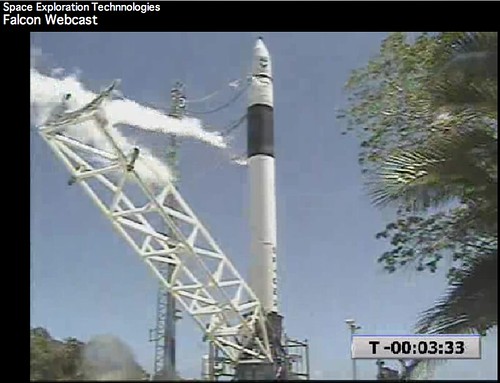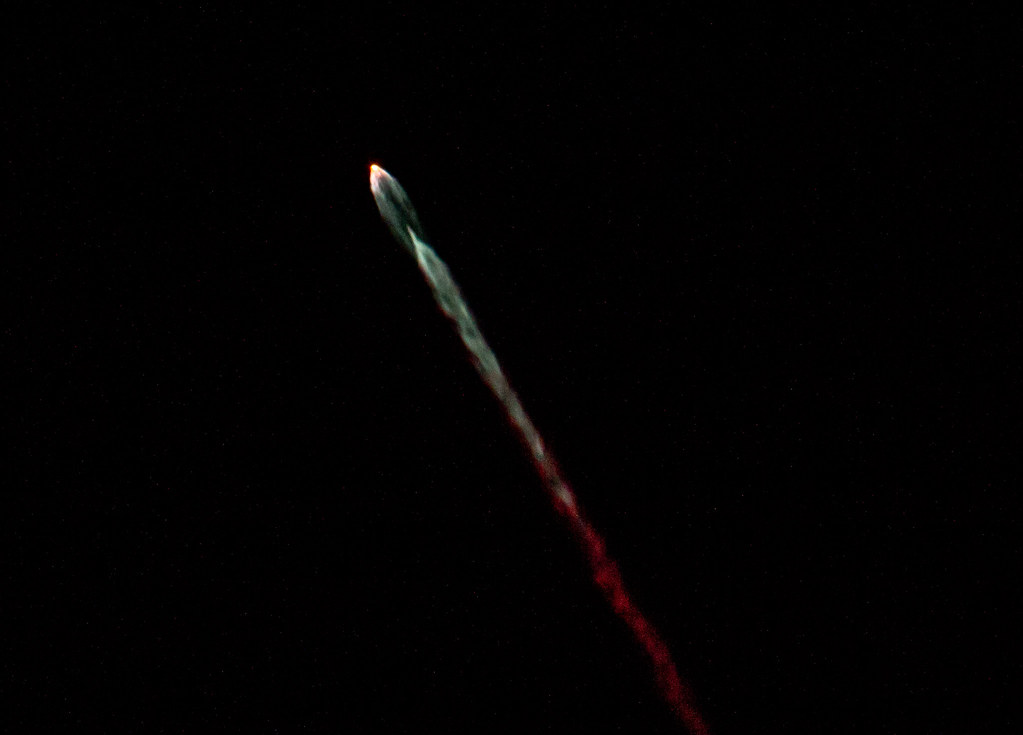
The Falcon 9 launch is scheduled for October 8, marking an important milestone for SpaceX. This mission will transport SDA’s fourth Tranche 1 data.
Overview of the Falcon 9 launch
The Falcon 9 launch has become a hallmark of SpaceX’s ambitious endeavors in the aerospace industry. This particular mission, scheduled for October 8, aims to deploy the fourth tranche of the Space Development Agency’s data transport satellites, further enhancing the United States’ capabilities in space.
With a proven track record, the Falcon 9 rocket has revolutionized space travel by providing a reliable and cost-effective means to deliver payloads into orbit. As a reusable launch vehicle, it has successfully completed numerous missions, demonstrating its efficiency and reliability.
The upcoming Falcon 9 launch is significant for several reasons:
- Technological Advancement: The deployment of these satellites will improve data communication and tracking capabilities for military and civilian applications.
- Strategic Importance: This mission plays a critical role in the United States’ efforts to maintain its competitive edge in global satellite technology.
- Innovation in Reusability: SpaceX continues to push the boundaries of rocket reusability, reducing costs and environmental impact.
As excitement builds around the Falcon 9 launch, industry experts and space enthusiasts alike are eager to see how this mission will unfold and what it signifies for the future of space exploration.
What is SDA’s Tranche 1?
The Space Development Agency (SDA) is set to deploy its first batch of satellites, known as Tranche 1, as part of a groundbreaking initiative to enhance military communications and data transport capabilities. This mission, scheduled for launch aboard a Falcon 9 rocket, marks a significant milestone for both the SDA and SpaceX.
Tranche 1 consists of a constellation of low Earth orbit satellites designed to provide resilient and responsive data transport. The key objectives of this mission include:
- Enhanced Communication: The satellites will facilitate improved communication channels for U.S. military operations, ensuring that data can be transmitted securely and efficiently.
- Real-Time Data Sharing: With the Tranche 1 system, troops on the ground will have access to real-time information, significantly improving situational awareness.
- Interoperability: The satellites are designed to work in conjunction with existing military assets, fostering a more integrated defense network.
The Falcon 9 launch is anticipated to play a pivotal role in the SDA’s broader vision of a resilient space architecture. As this mission unfolds, it promises to not only advance military capabilities but also set the stage for future technological innovations in space communication.
Significance of October 8
The Falcon 9 launch scheduled for October 8 holds significant implications for both SpaceX and the broader space industry. This particular mission aims to deploy the fourth tranche of the Space Development Agency’s (SDA) data transport satellites, a crucial step in enhancing global communication and military capabilities.
The significance of this launch can be understood through several key points:
- Advancement in Technology: The deployment of these satellites represents a leap forward in low Earth orbit (LEO) satellite technology, offering improved data connectivity and real-time communication.
- National Security: By providing advanced satellite capabilities, the Falcon 9 launch plays a vital role in ensuring that the United States maintains its strategic advantage in space operations.
- Commercial Opportunities: Successful missions like this one may pave the way for future collaborations between SpaceX and government agencies, as well as private enterprises looking to utilize advanced satellite communications.
- Public Interest: With each Falcon 9 launch, public excitement grows, fostering interest in space exploration and technology. The October 8 mission is expected to attract significant viewership and media coverage.
In summary, the Falcon 9 launch on October 8 is not just another mission; it represents a pivotal moment in the evolution of space technology and its applications.
Technical details of the mission
The Falcon 9 launch scheduled for October 8 marks a significant milestone in SpaceX’s ongoing efforts to enhance satellite communications. This mission aims to deploy a batch of satellites for the Space Development Agency (SDA), which is part of a broader initiative to establish a resilient and secure communication network.
Key technical details of the Falcon 9 launch include:
- Launch Vehicle: The mission will utilize the Falcon 9 rocket, known for its reliability and reusability, which helps to reduce costs significantly.
- Payload Capacity: This launch will carry a total of six satellites as part of SDA’s Tranche 1 program, focusing on low Earth orbit (LEO) capabilities.
- Launch Site: The Falcon 9 is set to lift off from the Cape Canaveral Space Force Station in Florida, a primary launch site for SpaceX missions.
- Timeline: The launch window is expected to open in the early morning hours, allowing for optimal conditions to reach orbit.
- First Stage Recovery: SpaceX aims to recover the first stage of the Falcon 9, which has become a standard practice for the company to enhance sustainability.
These technical aspects underscore the complexity and ambition behind the Falcon 9 launch, positioning it as a pivotal event in the evolution of space-based communication systems.
SpaceX’s launch history
SpaceX has established itself as a leader in the aerospace industry, primarily due to its innovative Falcon 9 launch vehicle. Since its inaugural flight in 2010, the company has successfully completed numerous missions, ranging from satellite deployments to resupply missions for the International Space Station.
Throughout its launch history, the Falcon 9 has gained a reputation for reliability and cost-effectiveness. Some key milestones in its development include:
- First Commercial Cargo Mission: In 2012, the Falcon 9 became the first commercial spacecraft to deliver cargo to the ISS, marking a significant achievement for private spaceflight.
- First Reusable Rocket: In 2015, SpaceX made history by successfully landing the first stage of the Falcon 9 after launch, paving the way for reusable rocket technology.
- Record Launches: The Falcon 9 has consistently broken records, with multiple launches in a single year, showcasing its capability and versatility.
As the company prepares for the Falcon 9 launch on October 8, it reflects on its impressive history while striving to push the boundaries of space exploration. The upcoming mission will further solidify the Falcon 9’s status as a crucial asset in SpaceX’s ambitious plans for the future.
Challenges faced by SpaceX
Despite the success associated with the Falcon 9 launch, SpaceX has encountered several challenges throughout its mission history. These hurdles not only test the resilience of the company but also push the boundaries of modern aerospace technology.
One major challenge has been meeting tight deadlines. The ambitious schedule set by the U.S. Space Development Agency (SDA) for the Tranche 1 missions places immense pressure on SpaceX to deliver reliable and timely launches. Delays can result from a variety of factors, including technical malfunctions or unfavorable weather conditions.
Additionally, ensuring the safety and reliability of the Falcon 9 rocket poses another significant challenge. Each launch involves meticulous planning and extensive testing to mitigate risks associated with rocket launches. SpaceX must continuously innovate and address any technical issues that arise during the preparation phase.
Moreover, the integration of advanced technologies, such as satellite communication systems for SDA’s mission, adds complexity to the launch process. SpaceX must ensure that every component functions seamlessly to achieve mission objectives.
Lastly, the growing competition in the space industry underscores the need for SpaceX to maintain its reputation for reliability and innovation. With multiple companies vying for contracts, the stakes are high, making the Falcon 9 launch a critical focal point in SpaceX’s quest for dominance in the aerospace sector.
Future missions to watch
As SpaceX continues to push the boundaries of space exploration, several upcoming missions stand out as key events to watch. Among these, the Falcon 9 launch scheduled for next year promises to capture significant attention. This mission will not only further enhance the capabilities of the Starlink satellite constellation but also pave the way for future collaborations.
- Starlink Expansion: Following the success of previous launches, the next Falcon 9 launch will deploy additional satellites to improve global internet coverage. This expansion is crucial for both commercial and humanitarian efforts, especially in underserved regions.
- NASA Collaborations: SpaceX is set to conduct several missions in partnership with NASA. These missions include resupply flights to the International Space Station and crewed missions that will highlight the advancements in human spaceflight.
- Interplanetary Missions: Looking further ahead, future Falcon 9 launches may serve as precursors to more ambitious interplanetary missions. As SpaceX develops technologies aimed at Mars colonization, each launch provides valuable data and experience.
Additionally, the integration of reusable rocket technology continues to be a game-changer. The reduced costs and increased frequency of launches signal a new era in space travel and exploration. As we watch these developments unfold, the importance of the Falcon 9 launch in shaping the future of space missions cannot be overstated.
Public interest in space exploration
As the Falcon 9 launch approaches, public interest in space exploration continues to surge. SpaceX has played a pivotal role in reigniting this fascination, making space more accessible and exciting for the general public. With every launch, including the highly anticipated Falcon 9 mission, there is a palpable buzz among enthusiasts and casual observers alike.
The increasing frequency of space missions has led to a growing community of supporters, driven by a mix of curiosity and awe. The ability to watch a Falcon 9 launch live has transformed how people engage with space exploration, turning what was once a niche interest into a mainstream topic of discussion. Social media platforms are flooded with real-time updates, imagery, and personal experiences shared by those who attend launches or witness them through livestreams.
Moreover, educational institutions are leveraging this renewed interest to inspire young minds. Schools and universities are incorporating space exploration into their curriculums, encouraging students to dream big and consider careers in science, technology, engineering, and mathematics (STEM). The Falcon 9 launch, along with other missions, serves as a catalyst for igniting passion in future generations of scientists and explorers.
Ultimately, as the Falcon 9 launch date approaches, it symbolizes not just technological achievement, but a collective yearning for knowledge and discovery that transcends boundaries.
By Kevin M. Gill via Openverse